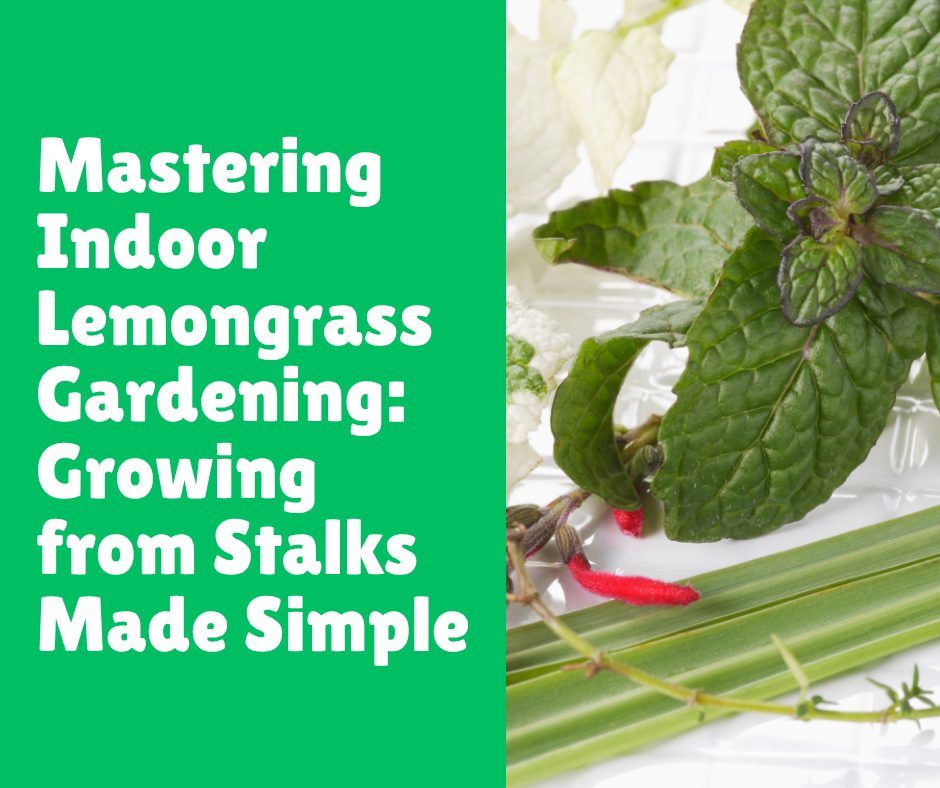
Mastering Indoor Lemongrass Gardening: Growing from Stalks Made Simple
Post Disclaimer
Content on this site is for educational use only and not a substitute for medical advice. Herbal remedies are based on traditional knowledge and not medical recommendations. Please consult a healthcare professional before trying any herb. We do not assume responsibility for any outcomes or adverse effects resulting from the use of information provided here.
Have you ever been in the middle of a recipe, dreaming of that zesty, citrusy flavor only fresh lemongrass can provide, only to find your spice rack empty? I’ve been there more times than I care to admit.
The store-bought stuff is fine, I guess, but it never quite packs the same punch. What if I told you that you could have a near-endless supply of fresh lemongrass right on your windowsill, grown from a single stalk you bought at the grocery store?
It sounds almost too good to be true, doesn’t it? For years, I thought growing anything tropical like lemongrass was reserved for people with sprawling greenhouses or those lucky enough to live in a perpetually sunny climate.
But I’m here to tell you it’s not only possible but surprisingly simple to grow lemongrass indoors from a stalk. I started my own indoor lemongrass journey with a sad-looking stalk I almost threw away, and now I have a thriving little plant that adds so much flavor to my cooking.
This guide is my brain dump of everything I’ve learned the triumphs, the (many) mistakes, and the simple joys of watching a grocery store scrap turn into a fragrant, beautiful plant. We’ll go through the entire process, step-by-step, from picking the right stalk to harvesting your homegrown bounty. Let’s get our hands dirty, shall we?
Getting Started: Your Lemongrass Foundation
Before you can dream of lemongrass-infused teas and curries, you need to lay the groundwork. This initial phase is arguably the most crucial. Getting it right sets you up for success, while a few simple missteps can stop your project before it even begins. Don’t worry, I’ll walk you through it. It’s easier than assembling IKEA furniture, I promise.
Choosing Your Champion: How to Pick the Perfect Stalk
Your journey begins in the produce aisle. You might think any old lemongrass stalk will do, but a little bit of selectiveness here goes a long way. You’re not just buying an ingredient; you’re choosing a potential parent for your new plant. No pressure, right?
Here’s what you need to look for:
- Freshness is Key: Look for stalks that are firm and greenish, not dry, brittle, or yellowed. A fresh stalk will have more life in it and a better chance of sprouting roots. If it looks like it’s been sitting on the shelf since last Tuesday, walk away.
- The Base is Everything: The most important part is the bottom of the stalk. You want one with the entire bulbous base intact. Sometimes, stores trim them too aggressively, cutting off the part where roots will emerge. A flat, clean cut at the very bottom is a bad sign. You want a bit of that rounded, knobby base.
- Avoid the Sad and Squishy: Give the stalk a gentle squeeze. It should feel solid. If it’s soft, squishy, or has dark, mushy spots, it’s already starting to rot. That’s a one-way ticket to a smelly jar of water and zero growth.
- Go Organic if Possible: While not a strict requirement, I’ve found that organic lemongrass stalks sometimes root a bit faster. They haven’t been treated with growth inhibitors, which are sometimes used to extend shelf life. If you have the option, it’s a good choice.
I remember my first attempt. I grabbed the first stalk I saw, brought it home, and waited. And waited. Nothing happened except the water getting a bit funky. I later realized the base was completely sheared off. Lesson learned: spend an extra minute picking a healthy stalk with a solid, rounded base.
The Water Propagation Phase: Just Add Water!
Once you have your chosen stalk, the real fun begins. This is the water propagation stage, where you’ll coax roots to sprout. It feels like a cool science experiment you get to do in your kitchen.
Step-by-Step Instructions:
- Prepare the Stalk: Take your lemongrass stalk and trim off the top few inches of any dry, leafy parts. You want to leave about 4-5 inches from the base. This directs the plant’s energy toward growing roots instead of maintaining old leaves. If the outer layer looks a bit dry, you can carefully peel it away to reveal the fresher layer underneath.
- Find a Suitable Container: You don’t need anything fancy. A simple glass jar, a vase, or even a tall drinking glass will work perfectly. The key is that it should be transparent. Why? So you can watch for root growth without disturbing the stalk! Seeing those first little white nubs appear is incredibly rewarding.
- Add Water: Place the trimmed stalk into your container and add about 1-2 inches of lukewarm water. You don’t want to submerge the whole thing. Just enough water to cover the base is all you need. Using filtered or distilled water can be beneficial, as tap water in some areas contains chlorine that can inhibit root growth.
- Find a Sunny Spot: Place your jar in a location where it will receive plenty of bright, indirect sunlight. A sunny windowsill is the classic choice for a reason. Direct, scorching sun can be too intense, but a good 6-8 hours of bright light will encourage photosynthesis and spur root development.
- Patience and Maintenance: Now, you wait. But not passively! Change the water every day or two. This is non-negotiable. Stagnant water is a breeding ground for bacteria, which will turn your stalk into a slimy mess. Fresh water provides oxygen and keeps things clean.
Within a week or two, you should start to see tiny white roots emerging from the base. It’s a genuinely exciting moment! Sometimes, you’ll even see a new green shoot starting to peek out from the center of the stalk. This is a clear sign that your little plant is ready for the next stage of its life.
From Water to Soil: Giving Your Lemongrass a Home
Your lemongrass has roots! Congratulations, you’re officially a plant parent. Now it’s time to move your little sprout from its temporary water bath into a more permanent home. This transition is a critical step. Think of it as moving from a dorm room into a real apartment; it needs the right environment to truly thrive.
Choosing the Right Pot and Soil Mix
This is where you create the perfect habitat for your lemongrass. Choosing the right container and soil will have a massive impact on its long-term health and growth.
Pot Selection:
- Size Matters: Start with a pot that is at least 6-8 inches in diameter and about the same depth. Lemongrass has a vigorous root system, and giving it enough space from the start prevents it from becoming root-bound too quickly. You can always pot up later, but a decent-sized starter pot is a good idea. My first pot was too small, and the plant became top-heavy and constantly tipped over.
- Drainage is a Must: This is another non-negotiable rule of indoor gardening. Your pot absolutely must have drainage holes at the bottom. Lemongrass likes moist soil, but it hates “wet feet.” Sitting in water will lead to root rot, the silent killer of many houseplants. If you find a decorative pot you love that doesn’t have holes, you can use it as a cachepot (a pot to put the real pot inside).
- Material: Terracotta, plastic, ceramic—they all work. Terracotta is porous and allows soil to dry out faster, which can be good if you tend to overwater. Plastic is lightweight and retains moisture longer. The choice is mostly aesthetic, as long as drainage is handled.
The Perfect Soil Cocktail:
Lemongrass isn’t terribly fussy, but it does appreciate a rich, well-draining soil. You could just use a standard all-purpose potting mix, and it would probably be fine. But if you want to give your plant the best possible start, I recommend creating your own simple mix.
My go-to recipe is:
- 2 parts high-quality potting mix: This forms the base.
- 1 part perlite or pumice: This is for aeration and drainage. It creates little air pockets in the soil so the roots can breathe.
- 1 part compost or worm castings: This is the good stuff! It adds rich organic matter and essential nutrients to fuel your plant’s growth.
Simply mix these components together in a bucket or on a tarp, and you have a premium soil blend that your lemongrass will adore. It provides the perfect balance of moisture retention, drainage, and nutrition.
The Transplanting Process: A Gentle Transition
Now for the main event: moving your rooted stalk into its new soil home. Be gentle during this process to avoid shocking the delicate new roots that have grown in water.
Step-by-Step Planting Guide:
- Prepare the Pot: Cover the drainage holes at the bottom of your pot with a small piece of mesh or a coffee filter to prevent soil from washing out. Then, fill the pot about two-thirds full with your prepared soil mix.
- Create a Hole: Make a small hole in the center of the soil, deep and wide enough to comfortably accommodate the roots of your lemongrass stalk.
- Plant the Stalk: Gently place the rooted stalk into the hole. You want to plant it about an inch deep, just enough to cover the base and the roots. Be careful not to damage the new roots. They are fragile!
- Backfill and Firm: Gently backfill the hole with more soil, covering the roots completely. Lightly press the soil down around the base of the stalk to secure it in place. Don’t compact it too tightly; you want the soil to remain light and airy.
- Water Thoroughly: This is a crucial step. Give your newly potted plant a deep watering until you see water running out of the drainage holes. This helps the soil settle around the roots and eliminates any air pockets. It also signals to the plant that its new home is a good one.
After transplanting, place the pot back in its sunny spot. The plant might look a little sad or droopy for a few days as it adjusts to its new environment.
This is totally normal transplant shock. Just keep the soil consistently moist (but not soggy), and it should perk up within a week.
Care and Maintenance: Keeping Your Lemongrass Happy
You’ve successfully grown roots and transplanted your stalk. Now, the goal is to keep it alive and thriving so it grows into a lush, harvestable plant. Indoor lemongrass care is a marathon, not a sprint. It’s about establishing a consistent routine. But don’t worry, it’s a pretty low-maintenance marathon.
The Big Three: Light, Water, and Food
Get these three elements right, and your lemongrass will be unstoppable.
1. Light Requirements:
Lemongrass is a sun worshipper. It needs at least 6-8 hours of direct, bright sunlight per day to flourish.
- The Best Spot: A south-facing window is the absolute best location. East or west-facing windows can also work, but the plant might grow a bit slower and less bushy.
- Signs of Insufficient Light: If your plant’s leaves are looking pale green, weak, or floppy, it’s probably begging for more light. The plant might also get “leggy,” meaning it grows long and spindly as it stretches toward the nearest light source.
- What if I have no sun? If you live in a cave or just a light-challenged apartment, a grow light is your best friend. A simple full-spectrum LED grow light set on a timer for 10-12 hours a day can work wonders and keep your lemongrass happy even in the darkest of corners.
2. Watering Wisdom:
Consistency is the name of the game. Lemongrass likes to be kept evenly moist.
- The Finger Test: Don’t water on a schedule. Water when the plant needs it. The best way to check is to stick your finger about an inch into the soil. If it feels dry, it’s time to water. If it feels moist, wait another day or two.
- Watering Technique: When you do water, do it thoroughly. Pour water over the soil surface until it flows freely from the drainage holes. This ensures the entire root ball gets hydrated. Then, be sure to dump out any excess water that collects in the saucer.
- Overwatering vs. Underwatering: Yellowing leaves can be a sign of both. But with overwatering, the soil will be soggy, and the leaves might feel mushy. With underwatering, the soil will be bone dry, and the leaf tips will turn brown and crispy. It’s usually easier to save an underwatered plant than an overwatered one.
3. Feeding Your Plant:
Your potting mix has nutrients, but your hungry lemongrass will use them up over time. You’ll need to replenish them.
- When to Feed: Start feeding your plant about a month after potting it. During the growing season (spring and summer), feed it every 2-3 weeks. In the fall and winter, you can reduce feeding to once a month or stop altogether, as the plant’s growth will naturally slow down.
- What to Feed: A balanced, all-purpose liquid fertilizer diluted to half-strength is perfect. Look for one with a balanced N-P-K ratio (like 10-10-10 or 20-20-20). Organic options like liquid seaweed or fish emulsion also work great, though they can be a bit…aromatic. FYI, your kitchen might smell like the ocean for a bit. 🙂
Harvesting Your Homegrown Treasure
This is the moment you’ve been waiting for! Harvesting is not only rewarding, but it also encourages the plant to produce new growth.
- When to Harvest: You can start harvesting once the stalks are about a half-inch thick and at least a foot tall. This usually takes a few months after planting.
- How to Harvest: Don’t just yank the leaves! You want to harvest the entire stalk. To do this, press down on the soil near the base of the stalk you want to harvest and bend the stalk outwards. It should snap off cleanly at the base. Alternatively, you can use a sharp knife to cut it at soil level. Always harvest from the outer stalks, leaving the younger, inner stalks to continue growing.
- Using Your Harvest: To use the lemongrass, you’ll want to peel off the tough outer layers, trim the rooty bottom, and chop off the upper, leafy green part. The tender, pale-yellow lower portion is the most flavorful part. You can chop it, bruise it, or throw it whole into soups, curries, and marinades. The flavor is so much more intense than anything you can buy!
Common Mistakes to Avoid (That I Definitely Made)
We all make mistakes, especially when trying something new. Growing lemongrass indoors is no exception. Here are some of the pitfalls I fell into, so hopefully, you can sidestep them. This isn’t your generic list; this is the real talk.
- Mistake 1: Giving Up on a “Dead” Stalk Too Soon.
When you first put your stalk in water, it might do absolutely nothing for a week. Or two. It’s easy to get discouraged and toss it, assuming it’s a dud. But some stalks are just slow starters! As long as the stalk isn’t getting slimy or mushy, give it time. I’ve had stalks that took almost three weeks to show the first hint of a root. Patience is a virtue, especially in gardening. - Mistake 2: Using a Pot Without Drainage.
I know I already hammered this point, but it bears repeating because it’s the #1 killer of indoor plants. My first herb garden was a collection of cute, colorful pots I found at a flea market. None of them had holes. I thought, “I’ll just be careful not to overwater!” Famous last words. Within a month, everything was dead from root rot. Drill a hole, find a pot with a hole, or use a nursery pot inside the decorative one. No exceptions. - Mistake 3: Forgetting to Rotate the Pot.
You place your beautiful new plant in a sunny window, and it starts to grow. Awesome! But then you notice it’s leaning dramatically to one side, like a plant trying to escape. Plants are phototropic, meaning they grow towards their light source. If you don’t rotate the pot, you’ll end up with a lopsided, unattractive plant. Give your pot a quarter turn every few days to ensure all sides get some sun and the plant grows straight and even. - Mistake 4: Panicking Over Brown Leaf Tips.
You look at your plant one day and see the very tips of the leaves are turning brown and crispy. Oh no, it’s dying! Probably not. Brown tips on an otherwise healthy lemongrass plant are most often a sign of low humidity, not a fatal disease. Indoor air, especially in the winter when the heat is on, is very dry. You can increase humidity by misting the plant a few times a week, grouping it with other plants, or placing it on a pebble tray with water.
Conclusion: Your Journey to Indoor Lemongrass Abundance
Growing lemongrass indoors from a stalk is more than just a gardening project; it’s a small act of self-sufficiency and a direct connection to the food you eat. It’s the magic of taking what most would consider a piece of kitchen scrap and nurturing it into a living, fragrant plant that gives back to you. From selecting that first hopeful stalk to harvesting its flavorful bounty, the process is simple, rewarding, and accessible to anyone with a sunny window and a little bit of patience.
I wholeheartedly encourage you to try this. It costs next to nothing to start, and the reward is immense. The next time you’re cooking and need a hit of that bright, citrusy flavor, you can just walk over to your windowsill and snip off a stalk. There’s a special kind of pride in that.
Now it’s your turn! Have you tried growing lemongrass indoors before? Do you have any tips or tricks to share? Leave a comment below I’d love to hear about your experiences. Happy growing!
Frequently Asked Questions (FAQs)
My lemongrass stalk isn’t growing roots. What am I doing wrong?
First, be patient! It can take up to three weeks. Make sure you chose a healthy stalk with an intact base. Also, ensure you’re changing the water every 1-2 days and that it’s getting enough bright, indirect light. If the stalk turns brown and mushy, it was likely a non-viable stalk, and you should try again with a new one.
How big will my indoor lemongrass plant get?
Outdoors, lemongrass can become a massive clump. Indoors, its size will be constrained by the pot. In a reasonably sized pot (e.g., 10-12 inches), you can expect it to reach a height of 2-3 feet. You can manage its size by regular harvesting and by dividing the plant every couple of years if it becomes too crowded.
Can I grow lemongrass from seeds instead of a stalk?
You can, but it’s a much slower and more difficult process. Lemongrass seeds can be tricky to germinate and take a very long time to grow into a harvestable plant. Starting from a stalk is significantly faster and has a much higher success rate, especially for beginners.
Are the leafy green parts of the plant usable?
Absolutely! While the tender lower stalk has the most concentrated flavor for cooking, the upper green leaves are fantastic for making tea. Simply snip a few leaves, bruise them slightly to release their oils, and steep them in hot water for a wonderfully fragrant and calming herbal tea.
My lemongrass has pests! What should I do?
Indoor lemongrass is fairly pest-resistant, but it can occasionally attract spider mites, especially in dry conditions. You’ll notice fine webbing on the plant. To treat them, you can wipe the leaves down with a damp cloth or spray the plant with a solution of water and a few drops of dish soap or a horticultural oil like neem oil.