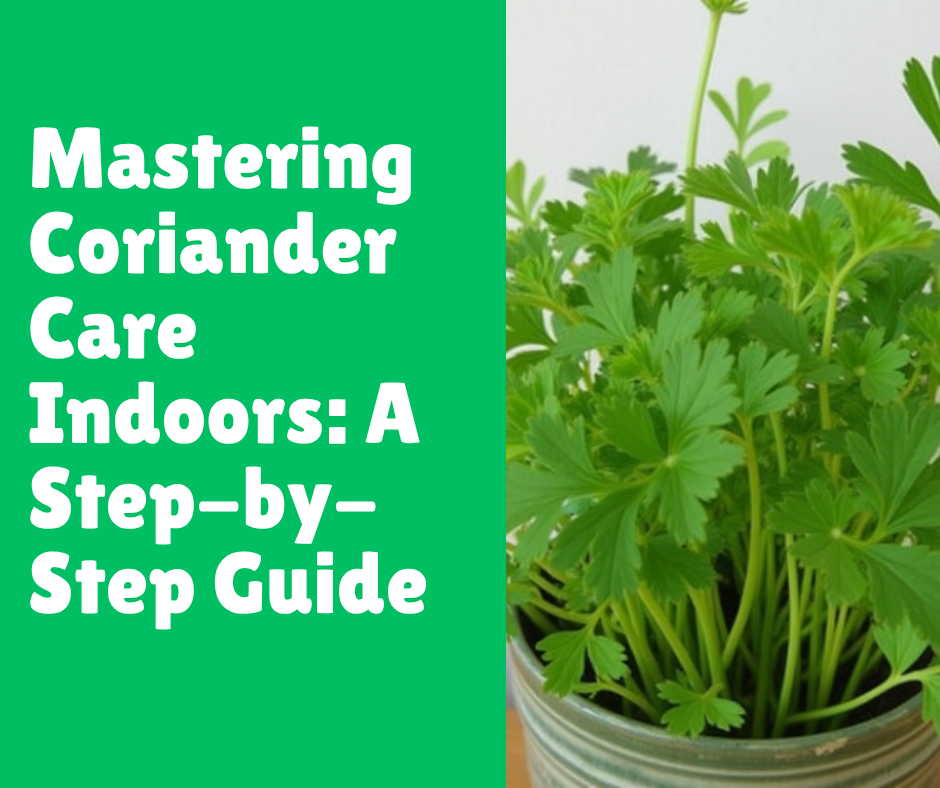
Mastering Coriander Care Indoors: A Step-by-Step Guide
Post Disclaimer
Content on this site is for educational use only and not a substitute for medical advice. Herbal remedies are based on traditional knowledge and not medical recommendations. Please consult a healthcare professional before trying any herb. We do not assume responsibility for any outcomes or adverse effects resulting from the use of information provided here.
I remember the first time I tried to grow coriander indoors. I had visions of snipping fresh, fragrant leaves for my tacos and curries whenever I pleased. I bought a cute little pot, some seeds, and confidently set it on my kitchen windowsill.
A few weeks later, all I had to show for my efforts was a sad collection of spindly, yellowing stems that flopped over in despair. It bolted (flowered prematurely) and tasted, frankly, a bit like soap. I was convinced I had the opposite of a green thumb.
Sound familiar? Coriander, also known as cilantro, has a reputation for being a bit of a drama queen in the herb garden. It’s notorious for its short lifespan and its tendency to bolt at the slightest inconvenience.
But here’s the secret: it’s not you, it’s the coriander. And with a few key insights and a little bit of plant psychology, you can absolutely master this delicious herb right inside your home.
I’ve since learned that growing lush, leafy coriander indoors is not just possible it’s incredibly rewarding. You just need to understand what it wants. Think of this guide as your personal translation service for all things coriander.
We’re going to walk through everything, step-by-step, from planting the seeds to harvesting your bounty. Forget those sad, spindly stems. Let’s grow some coriander you’ll actually want to eat.
Setting the Stage: Your Coriander’s Perfect Home
Before you even think about getting your hands dirty, the first step is creating the right environment. Coriander is picky, so getting this part right is about 80% of the battle. Think of yourself as a real estate agent for your future plant location, location, location.
Choosing the Right Pot
This might seem like a minor detail, but the pot you choose is foundational to your success. Coriander develops a long, deep taproot. If that root hits the bottom of a shallow pot, it gets stressed. A stressed coriander plant has one mission in life: produce seeds and die. This is what we call bolting, and it’s our number one enemy.
To avoid this, choose a pot that is at least 8-10 inches deep. A deeper pot gives that taproot plenty of room to stretch out. As for width, 8-12 inches is a good starting point, which will allow you to grow a nice little bunch.
Material matters, too. I personally love terracotta pots. Why? Because they are porous, which means they allow air and water to move through the sides of the pot. This helps the soil to dry out evenly and prevents the dreaded root rot, which is a common killer of indoor herbs.
If you use a plastic or glazed ceramic pot, that’s fine too, but just be extra careful not to overwater. No matter what you choose, ensure it has plenty of drainage holes at the bottom. If your plant’s feet are sitting in water, it’s a recipe for disaster.
The Perfect Soil Mix
Coriander isn’t a huge fan of heavy, dense garden soil. It prefers something light, airy, and well-draining. You can buy a high-quality potting mix from any garden center, and that will work perfectly well. Look for one designed for vegetables or herbs.
If you want to create your own super-soil, I recommend a simple mix. Here’s my go-to recipe:
- 60% high-quality potting soil: This is your base.
- 20% perlite or vermiculite: These lightweight volcanic rocks create air pockets in the soil, which improves drainage and aeration. This is crucial for healthy roots.
- 20% compost or worm castings: This adds a gentle boost of organic nutrients to feed your plant over time.
Mix these ingredients together thoroughly before filling your pot. This custom blend creates a soil structure that holds just enough moisture without becoming waterlogged, giving your coriander the five-star living conditions it deserves.
Planting Your Coriander: From Seed to Sprout
Now for the exciting part! You’ve got your pot and your soil, so it’s time to plant. While you can sometimes buy small coriander plants from a nursery, I highly recommend growing from seed. It’s more economical, and you have more control over the growing process from the very beginning.
Preparing the Seeds
Here’s a pro tip that many people miss: gently crush the coriander seeds before planting. If you look closely at a coriander seed, you’ll see it’s actually a husk containing two smaller seeds. By gently cracking this outer shell, you significantly increase and speed up your germination rate.
Don’t go crazy and turn them into powder! Just place the seeds on a paper towel, fold it over, and roll a glass jar or rolling pin over them with light pressure. You should hear a faint cracking sound. You’re just looking to split the husk in half. It’s a small step that makes a huge difference.
Sowing for Success
Now, let’s get those seeds into the soil.
- Fill Your Pot: Fill your deep pot with your prepared soil mix, leaving about an inch of space at the top. Gently pat the soil down, but don’t compact it.
- Moisten the Soil: Before you sow, give the soil a good watering. You want it to be evenly moist, like a damp sponge, but not soaking wet. This ensures the seeds have moisture to start germinating without being washed away.
- Scatter the Seeds: Sprinkle your crushed seeds evenly across the surface of the soil. Don’t worry about perfect spacing. Coriander grows well when it’s slightly crowded, as the plants support each other as they grow. I usually aim for about 15-20 seeds in a 10-inch pot.
- Cover Lightly: Cover the seeds with a very thin layer of soil, about ¼ inch deep. Any deeper and the delicate sprouts might struggle to reach the surface. Gently pat the soil down again.
- Patience is Key: Place your pot in a warm spot. You should see tiny green shoots emerging from the soil in about 7 to 14 days. This is always the most rewarding moment, isn’t it?
Nurturing Your Plant: The Holy Trinity of Care
Once your seedlings have sprouted, your job shifts from planter to nurturer. Coriander care boils down to three main things: sunlight, water, and food. Get these right, and you’ll be on your way to a lush harvest.
Let There Be Light (But Not Too Much)
Sunlight is where most indoor coriander growers go wrong. We assume that because it’s an herb, it needs hours and hours of intense, direct sun. This is a myth. Coriander prefers bright, indirect light.
Too much direct, hot sun (especially from a south-facing window in the summer) will stress the plant and encourage it to bolt. The ideal spot is an east-facing window, where it can get the gentle morning sun for about 4-6 hours. A west-facing window can also work, but you may need to shield it from the intense late-afternoon sun.
What if you don’t have a perfectly lit window? No problem. I’ve had great success growing coriander under a simple LED grow light.
You don’t need a fancy, expensive setup. A full-spectrum bulb in a standard desk lamp will do the trick. Just position the light about 6-12 inches above the plants and keep it on for 10-12 hours a day. Using a timer makes this foolproof.
The Art of Watering
Watering is a delicate dance. Both too much and too little can spell doom for your coriander.
The golden rule is to water when the top inch of soil feels dry to the touch. Don’t just look at the soil; actually stick your finger in it. If it feels dry an inch down, it’s time to water. If it still feels moist, wait another day or two. This prevents overwatering and the dreaded root rot.
When you do water, do it thoroughly. Pour water slowly and evenly over the soil until you see it running out of the drainage holes at the bottom.
This ensures the entire root system gets a good drink. After watering, be sure to dump out any excess water that collects in the saucer. Remember, coriander hates having “wet feet.”
Feeding Your Coriander
If you started with a good soil mix that includes compost, you won’t need to fertilize much. Coriander is not a heavy feeder. In fact, too much fertilizer, especially nitrogen-rich ones, can lead to fast, weak growth and can even dilute the herb’s flavor.
I recommend giving your coriander a light feeding with a balanced liquid fertilizer once a month. Dilute it to half the strength recommended on the package. An organic fish emulsion or seaweed-based fertilizer works wonderfully.
This gentle approach provides just enough nutrients to support healthy, leafy growth without overwhelming the plant.
Harvest and Maintenance: Keeping Your Plant Productive
The goal is to have a continuous supply of fresh coriander, right? To achieve this, you need to harvest correctly and perform a little maintenance.
How to Harvest for Continuous Growth
Don’t just rip leaves off randomly! The best way to harvest is to snip the outer, larger leaves first, right at the base of the plant. Use a clean pair of scissors or your fingernails. This encourages the plant to put its energy into producing new growth from the center, which extends your harvest period.
Never take more than one-third of the plant at a time. Over-harvesting can shock the plant and slow its growth. A little trim every few days is much better than one big chop.
The Secret to a Longer Life: Successive Sowing
Here’s the honest truth: an individual coriander plant has a relatively short life cycle. No matter how well you care for it, it will eventually try to bolt. The ultimate trick for a never-ending supply of coriander is successive sowing.
Every 2-3 weeks, plant a new pot of seeds. By the time your first pot is starting to get tired and wants to flower, your next pot will be ready for its first harvest. This simple rotation ensures you have a constant, fresh supply all year long. I keep two or three pots going at different stages at all times.
Common Mistakes to Avoid (I’ve Made Them All)
We learn best from our mistakes, right? Well, let me save you some time by sharing the most common pitfalls I’ve encountered on my coriander-growing journey.
- Using a Pot That’s Too Shallow: This is the number one cause of premature bolting. That taproot needs space. Go deep or go home!
- Overwatering: It comes from a place of love, I know. But soggy soil suffocates roots. Stick to the “finger test” and let the soil dry out between waterings.
- Too Much Direct Sun: Frying your plant in a hot window is a surefire way to stress it out. Think bright and indirect, not scorching and direct.
- Harvesting Incorrectly: Chopping off the top of the plant or taking too much at once will stunt its growth. Always harvest from the outside in.
- Planting Too Deeply: Those tiny seeds don’t have the energy to push through a thick layer of soil. A light ¼-inch dusting is all they need.
Avoiding these common errors will put you miles ahead of the average beginner and well on your way to coriander mastery.
Conclusion: Your Fresh Herb Garden Awaits
Growing coriander indoors can feel like a challenge, but it’s one that is completely achievable with the right knowledge. It’s not about having a magical green thumb; it’s about understanding the plant’s simple needs and creating the right environment for it to thrive.
The satisfaction of snipping your own fresh, aromatic coriander to sprinkle over a meal is truly unparalleled. It adds a burst of flavor that you just can’t get from store-bought herbs.
Now it’s your turn! I encourage you to grab a pot, some seeds, and give it a try. You have all the information you need to succeed. I’d love to hear about your experiences—share your successes (or even your “learning opportunities”) in the comments below! Happy growing!
Frequently Asked Questions (FAQs)
My coriander seedlings are really tall and thin. What am I doing wrong?
This is a classic sign of insufficient light. The seedlings are “stretching” to find a light source. This is known as becoming “leggy.” Move your pot to a brighter location or, even better, supplement with a grow light positioned just a few inches above the plants.
Why does my indoor coriander taste soapy or bitter?
This flavor change is almost always a sign that the plant is beginning to bolt (flower). When the plant shifts its energy from leaf production to flower and seed production, the chemical composition of the leaves changes, resulting in a less pleasant flavor.
Can I grow coriander from the stems I bought at the grocery store?
While it’s technically possible to root some herb stems in water, coriander is not a good candidate for this method. Because it has a central taproot, it doesn’t readily grow new roots from its stem cuttings. You will have much more success, and a healthier plant, by starting from seed.
My coriander plant keeps attracting tiny flies. What are they and how do I get rid of them?
You’re likely dealing with fungus gnats. These annoying little pests are attracted to consistently damp soil. The adult flies are harmless, but their larvae, which live in the top layer of soil, can feed on plant roots. The best way to combat them is to let the top 1-2 inches of your soil dry out completely between waterings.
How do I know when my coriander is about to bolt?
There are a few tell-tale signs. You’ll notice the plant’s central stalk beginning to shoot up rapidly. The new leaves that form on this stalk will look different from the lower leaves they’ll be more feathery and fern-like.