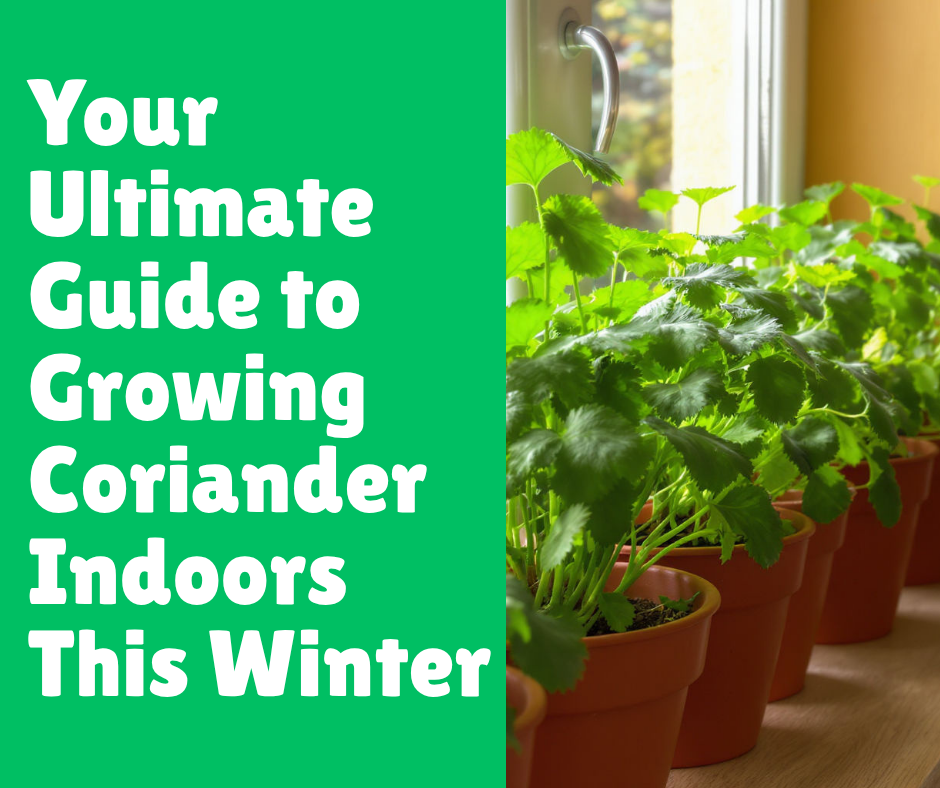
Your Ultimate Guide to Growing Coriander Indoors This Winter
Post Disclaimer
Content on this site is for educational use only and not a substitute for medical advice. Herbal remedies are based on traditional knowledge and not medical recommendations. Please consult a healthcare professional before trying any herb. We do not assume responsibility for any outcomes or adverse effects resulting from the use of information provided here.
There’s nothing quite like snipping fresh herbs right from your own kitchen. But when winter rolls in, that dream of fresh, zesty coriander for your tacos or curries can feel a little… distant.
The garden is asleep, the days are short, and let’s be honest, store-bought herbs just don’t hit the same. So, the big question is: can you actually grow coriander indoors during the bleakest, coldest months?
I’m here to tell you that the answer is a resounding YES. It’s not only possible, but it’s also incredibly rewarding. I’ve spent more winters than I can count coaxing this notoriously fussy herb to thrive on my windowsill, and I’ve learned a ton along the way mostly through trial and error.
Forget what you’ve heard about coriander being a drama queen. With a little know-how and a lot of love, you can have a steady supply of this green gold all winter long.
This isn’t just a list of instructions. This is my personal playbook, packed with the secrets, tricks, and “aha!” moments I’ve gathered. We’ll go through everything from picking the right pot to mastering the art of indoor lighting. Let’s get you set up for a winter filled with the freshest coriander you’ve ever tasted.
Setting the Stage for Coriander Success
Before you even think about planting a seed, you need to create the perfect environment. Coriander, which you might also know as cilantro, has some specific needs. It’s not a “plant it and forget it” kind of herb, especially indoors. Think of yourself as a five-star hotel manager, and your coriander is the VIP guest. Your job is to make its stay as comfortable as possible.
The Great Pot Debate: Choosing Your Coriander’s Home
You might think any old pot will do, but this is your first chance to set your plant up for success. Coriander develops a surprisingly long taproot. If that root hits the bottom of a shallow pot, it gets stressed out.
And a stressed coriander plant does one thing very, very well: it bolts. Bolting is when the plant gives up on producing delicious leaves and decides to flower and go to seed instead. It’s basically the plant’s way of throwing a tantrum.
- Go Deep: Your number one priority is depth. I recommend a pot that is at least 8-10 inches deep. This gives that taproot plenty of room to stretch its legs. A deeper pot also holds more soil, which means it dries out more slowly a huge plus for a thirsty herb like coriander.
- Material Matters: Terracotta pots are fantastic because they’re porous and allow the soil to breathe, which helps prevent root rot. However, they also dry out faster. Plastic pots are lighter and retain moisture better, but you have to be more careful about overwatering. My personal favorite is a self-watering pot. It takes the guesswork out of watering and keeps the soil consistently moist, which coriander absolutely loves.
- Drainage is Non-Negotiable: Whatever pot you choose, it must have drainage holes. Coriander hates having “wet feet.” If water sits at the bottom of the pot, the roots will rot, and your plant will die a sad, soggy death. No drainage holes? Don’t even think about it.
The Perfect Soil Mix: Not Just Dirt
Coriander isn’t super picky about soil, but it does appreciate a light, well-draining mix. Straight-up garden soil is usually too heavy and compact for container growing. It can suffocate the roots and become waterlogged. You’re much better off creating a custom blend or using a high-quality potting mix.
Here’s my go-to recipe for happy coriander soil:
- Start with a good quality, all-purpose potting mix. This will be the base of your blend.
- Add a handful of perlite or vermiculite. These little white specks might not look like much, but they are miracle workers for aeration and drainage. They create air pockets in the soil, keeping it light and fluffy.
- Mix in some compost or worm castings. This is the “gourmet meal” part for your plant. It provides a slow-release source of nutrients that will feed your coriander as it grows. I find that a little compost goes a long way in producing lush, flavorful leaves.
Your final mix should feel light and airy. When you squeeze a handful, it should hold its shape but crumble easily when you poke it. That’s the sweet spot.
Planting and Germination: The Journey Begins
With your stage set, it’s time for the main event: planting your seeds. This is where the magic starts. You can grow coriander from seeds or from a starter plant, but I find starting from seed to be more reliable and, frankly, more fun.
Seeds: To Crush or Not to Crush?
Here’s a hot tip you might not see everywhere. A coriander seed is actually a fruit containing two seeds. Some gardeners swear by gently crushing the husk before planting to help speed up germination. I’ve tried it both ways, and I do think it helps. It seems to allow water to penetrate the seeds more easily.
To do this, place the seeds on a hard surface and gently press down on them with the bottom of a glass or jar until you hear a faint crack. Don’t pulverize them! You just want to split the husk. Then, soak the seeds in water for 12-24 hours before planting. This pre-soaking gives them a major head start.
Step-by-Step Sowing Guide
- Fill Your Pot: Fill your chosen pot with your lovely soil mix, leaving about an inch of space at the top. Gently firm the soil down but don’t compact it.
- Moisten the Soil: Water the soil thoroughly before you plant. You want it to be evenly moist, like a wrung-out sponge, not a swamp. Watering beforehand prevents the seeds from getting washed around.
- Scatter Your Seeds: Sprinkle your pre-soaked seeds generously across the surface of the soil. Don’t worry about perfect spacing. Coriander plants actually like to grow in a bit of a clump; they help support each other as they get taller.
- Cover Lightly: Cover the seeds with a thin layer of soil, about a quarter-inch deep. Pat it down gently.
- Patience is a Virtue: Place the pot in a warm spot. You don’t need light for germination. Keep the soil consistently moist—a spray bottle is perfect for this—and wait. In about 7-14 days, you should see tiny green shoots poking through the soil. It’s the best feeling!
The Art of Indoor Care: Light, Water, and Food
Your seeds have sprouted! Congratulations, you’re a plant parent. Now comes the ongoing care. This is where a lot of indoor coriander attempts go wrong, especially in winter. The key is to mimic the outdoor conditions that coriander loves as closely as possible.
Let There Be Light (And Lots of It)
This is, without a doubt, the most critical factor for growing coriander indoors in winter. Coriander is a sun-worshipper. It needs at least 6 hours of direct sunlight per day to produce bushy, leafy growth. A south-facing window is your best bet, but even that might not be enough during the short, gray days of winter.
I learned this the hard way. My first few attempts resulted in sad, leggy, pale green seedlings that flopped over and gave up. They were desperately stretching for light that just wasn’t there.
So, what’s the solution? A grow light. It might sound intimidating, but it’s a total game-changer, and it doesn’t have to be complicated or expensive.
- Types of Grow Lights: You can find everything from simple clip-on lamps to full-panel LED systems. For a few pots of herbs, a full-spectrum LED bulb that fits into a regular desk lamp is perfectly fine. Look for one that is labeled “full-spectrum” or has both red and blue light wavelengths.
- How to Use It: Position the light about 4-6 inches above your plants. Any further, and they’ll start to stretch. You’ll need to run the light for 12-16 hours a day to make up for the lack of intense natural sun. A simple outlet timer is your best friend here. Set it and forget it. Your plants will get the consistent light they crave, and you won’t have to remember to turn it on and off.
The Watering Dance
Coriander likes consistently moist soil but, as we’ve established, hates being waterlogged. It’s a delicate balance. How often you water will depend on the temperature and humidity of your home, the type of pot you’re using, and the size of your plants.
The best way to know when to water is the finger test. Stick your finger about an inch into the soil. If it feels dry, it’s time to water. If it feels moist, wait another day or two. When you do water, water thoroughly until you see it running out of the drainage holes. Then, empty the saucer so the pot isn’t sitting in a puddle.
Feeding Your Herb
If you used a good potting mix with compost, you won’t need to fertilize much. Over-fertilizing can actually lead to weak growth and less flavorful leaves. I give my indoor coriander a little boost about once a month with a diluted liquid fertilizer.
Choose a balanced, all-purpose liquid fertilizer and dilute it to half the recommended strength. Too much nitrogen can make the plant grow fast, but it will dilute the essential oils that give coriander its amazing flavor. Less is definitely more when it comes to feeding this herb.
Harvesting for Endless Supply
You’ve done it! You have a pot full of lush, green coriander. Now for the best part: eating it. How you harvest makes a huge difference in how long your plant will continue to produce.
Don’t just yank off leaves randomly. The goal is to encourage the plant to become bushier and keep producing new growth.
- The “Cut and Come Again” Method: Once the plants are about 4-6 inches tall, you can start harvesting. Use a pair of sharp scissors to snip off the outer, larger leaves at the base of the plant. Always leave the small, inner leaves untouched. These are the new growth, and protecting them ensures the plant will continue to thrive.
- Don’t Take Too Much: Never harvest more than one-third of the plant at a time. Taking too much can shock the plant and slow down its growth. It’s better to harvest a little bit, often.
- Pinch Off Flower Buds: Keep a close eye out for any signs of a flower stalk starting to form in the center of the plant. The moment you see one, pinch it off. This redirects the plant’s energy back into producing leaves instead of flowers. It’s a constant battle against bolting, but one you can win. FYI, this is your top priority once the plant matures.
By following this method, you can harvest from the same pot for several weeks, or even a couple of months.
Common Mistakes and How to Sidestep Them
I’ve made pretty much every mistake in the book, so you don’t have to. Here are the most common pitfalls I see when people try to grow coriander indoors.
- Using a Pot That’s Too Small: This is mistake #1. It’s a one-way ticket to a stressed, bolted plant. Get the deep pot. Seriously.
- Underestimating Its Need for Light: A dim windowsill in December is not going to cut it. Your plants will be weak and spindly. Invest in a simple grow light. It’s the single most important thing you can do for your indoor winter garden.
- Inconsistent Watering: Letting the soil dry out completely and then flooding it stresses the plant. Then letting it sit in water causes root rot. The finger test is your friend. Check the soil every couple of days until you get a feel for its rhythm.
- Harvesting Incorrectly: Chopping off the whole top of the plant is a common mistake. You might get one good harvest, but you’ve just killed your plant. Remember to snip the outer leaves and let the center keep growing.
- Starting with Old Seeds: Seeds have a shelf life. If you’re using a packet of seeds you found in the back of a drawer from three years ago, your germination rates will likely be poor. Start with fresh seeds for the best results.
Conclusion: Your Winter of Fresh Coriander Awaits
Growing coriander indoors in winter isn’t just a way to get fresh herbs; it’s a wonderful project that brings a little bit of green and life into your home during the darkest time of the year. There’s something so satisfying about watching those little seeds sprout and grow into something you can use to liven up your meals.
It might seem like a lot, but once you get your setup right, it’s really just a few minutes of care every couple of days. The reward that vibrant, pungent flavor of homegrown coriander in the middle of January is so worth it.
So, are you ready to give it a try? I promise you can do this. Go get your supplies and get planting! I’d love to hear about your indoor gardening adventures. Drop a comment below and share your progress or any questions you might have.
Frequently Asked Questions (FAQs)
Why does my indoor coriander keep dying?
The most common culprits are insufficient light, improper watering, or a pot that’s too small. Leggy, pale plants usually mean not enough light. Yellowing, wilting plants can be a sign of either overwatering (root rot) or underwatering.
How many times can I harvest from one coriander plant?
Using the “cut and come again” method, you can typically get 3-4 good harvests from a single planting. By continually sowing new seeds every few weeks (succession planting), you can have an endless supply all winter. I usually have two or three pots going at different stages.
Can I grow coriander from store-bought cuttings?
You can, but it’s not the most reliable method. Sometimes you can get a bunch of coriander from the grocery store with roots still attached. You can try placing these in a glass of water to encourage more root growth and then plant them.
My coriander leaves have no flavor. What am I doing wrong?
This is almost always a result of insufficient light. For a plant to develop the essential oils that give it its strong flavor and aroma, it needs plenty of intense light. If your plant is growing in a dim spot, the leaves may look okay, but they will be bland.
Is it better to grow cilantro or coriander seeds?
This is a fun trick question! Cilantro (the leaves) and coriander (the seeds) come from the same plant, Coriandrumsativum. In the US, we call the leaves cilantro and the seeds coriander. In the UK and other parts of the world, both the leaves and seeds are called coriander.