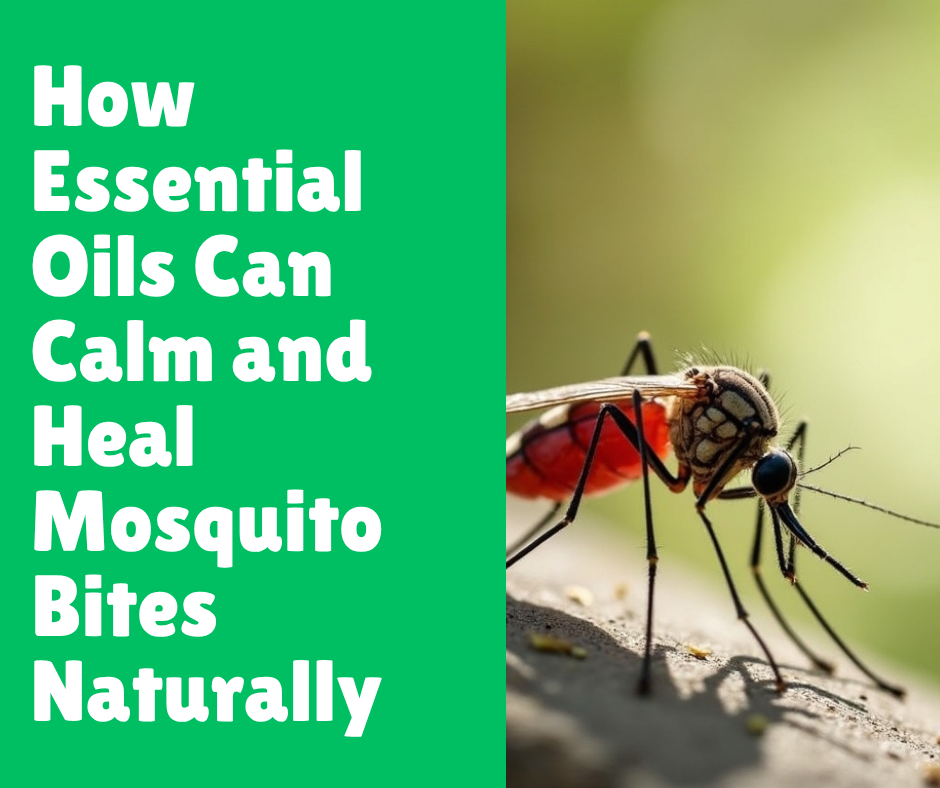
How Essential Oils Can Calm and Heal Mosquito Bites Naturally
Post Disclaimer
Content on this site is for educational use only and not a substitute for medical advice. Herbal remedies are based on traditional knowledge and not medical recommendations. Please consult a healthcare professional before trying any herb. We do not assume responsibility for any outcomes or adverse effects resulting from the use of information provided here.
We’ve all been there: you’re out enjoying a summer evening, surrounded by nature, when the buzzing of mosquitoes interrupts your peace. Then, you feel that all-too-familiar bite, followed by itching and irritation that seems to last far too long.
If you’re tired of reaching for chemical-laden products to relieve the discomfort, you may be interested in a natural alternative essential oils.
Essential oils have been used for centuries for their therapeutic properties, and in recent years, they’ve gained popularity as a go-to solution for all sorts of skin irritations, including mosquito bites. But what makes these oils so effective? And how can you use them safely and effectively?
In this post, I’ll dive into everything you need to know about using essential oils for mosquito bites from the best oils to use, to step-by-step instructions on how to apply them.
Why Use Essential Oils for Mosquito Bites?
Before jumping into specific oils, it’s helpful to understand why essential oils work so well for mosquito bites in the first place.
Mosquito Bites: The Problem
When a mosquito bites, it injects saliva into your skin. Your immune system reacts to this foreign substance, causing a release of histamines, which leads to swelling, redness, and itching.
While this reaction is your body’s way of defending itself, it also causes the irritation we all know too well.
How Essential Oils Help
Essential oils have properties that make them excellent at reducing the symptoms associated with mosquito bites. Depending on the oil, they can:
- Soothe itching by reducing inflammation.
- Numb the area to provide immediate relief.
- Repel mosquitoes (which is why some oils are used in natural repellents).
- Speed up the healing process by promoting skin regeneration.
Instead of relying on harsh chemicals that may cause side effects, essential oils offer a natural, non-toxic alternative that works in harmony with your body. They also offer benefits beyond just mosquito bites, making them a great addition to any wellness routine.
The Best Essential Oils for Mosquito Bites
There are several essential oils that are particularly effective for soothing mosquito bites. Here’s a list of the top contenders and what makes them so beneficial:
Lavender Oil
Lavender is widely known for its calming properties, but did you know it’s also great for mosquito bites? It helps reduce itching, swelling, and redness. Plus, it has mild anesthetic qualities, making it one of the most soothing oils for skin irritations.
Tea Tree Oil
Tea tree oil is a powerhouse when it comes to its antiseptic properties. It can help prevent infection in the area of the bite while also reducing inflammation. Its cooling effect can also help alleviate itching.
Peppermint Oil
Peppermint oil is a go-to for cooling and numbing skin. Its menthol content offers an instant cooling sensation, which can reduce itching and discomfort. It also has mild anti-inflammatory effects that help with swelling.
Eucalyptus Oil
Eucalyptus oil is often used as a natural repellent, and it works wonders for mosquito bites. It’s effective at soothing irritation and promoting the healing of skin, thanks to its anti-inflammatory properties.
Lemon Eucalyptus Oil
Similar to eucalyptus oil, lemon eucalyptus oil is known for its ability to both repel mosquitoes and alleviate symptoms of bites. It also contains citronellal, which is known to calm inflammation and reduce the appearance of swelling.
Chamomile Oil
Chamomile oil is a natural anti-inflammatory and skin soother. Its gentle nature makes it ideal for sensitive skin, and it works well to calm redness and swelling caused by bites.
How to Use Essential Oils for Mosquito Bites: Step-by-Step Instructions
Now that you know which oils work best, let’s go over the best methods for applying essential oils to mosquito bites. There are a few things to keep in mind to ensure you get the most out of these oils while staying safe.
Step 1: Dilute the Oil
Essential oils are highly concentrated, which means they should never be applied directly to the skin without being diluted. Always use a carrier oil (like coconut, almond, or jojoba oil) to dilute the essential oils. A good rule of thumb is to mix 3-5 drops of essential oil with 1 tablespoon of carrier oil.
Step 2: Patch Test First
Before applying the oil mixture to your mosquito bite, do a quick patch test on a small area of your skin. Apply a tiny amount and wait for about 24 hours to see if any irritation occurs. If your skin reacts negatively, discontinue use.
Step 3: Apply the Oil to the Bite
Once the oil is properly diluted and you’ve performed a patch test, apply the mixture directly to the affected area. Gently massage it into the skin. If you’re dealing with multiple bites, you can apply it to each one individually, or you can make a larger batch and apply it all at once.
Step 4: Reapply as Needed
For ongoing relief, you may need to reapply the essential oil blend every few hours, especially if you’re out in the heat or sweating. Avoid overapplying, as this can cause skin irritation.
Step 5: Follow Up with Moisturizer
To help lock in moisture and further soothe your skin, consider applying a fragrance-free moisturizer after the essential oil treatment. This can help speed up the healing process and prevent dryness.
DIY Mosquito Bite Relief Recipe
Here’s a simple and effective DIY recipe for a mosquito bite relief blend:
Ingredients:
- 5 drops of lavender essential oil
- 5 drops of tea tree essential oil
- 2 tablespoons of coconut oil (or any carrier oil of your choice)
Instructions:
- Combine all the ingredients in a small bottle.
- Shake gently to mix.
- Apply a small amount to the affected area and massage in.
This combination not only helps reduce the symptoms of mosquito bites but also provides a soothing, calming aroma. The lavender and tea tree oils work together to combat irritation and inflammation.
Common Mistakes to Avoid When Using Essential Oils for Mosquito Bites
While essential oils are incredibly effective, there are a few common mistakes to avoid to ensure safety and optimal results.
Using Undiluted Essential Oils
Essential oils are potent and can cause irritation, especially on sensitive skin, if not diluted. Never apply them directly without a carrier oil.
Ignoring Patch Tests
Even if you’ve used essential oils before, you should still perform a patch test before applying them to large areas of your skin. Skin reactions can vary from person to person.
Overuse of Essential Oils
More is not always better. Overuse of essential oils can lead to skin irritation or sensitivity. Stick to the recommended dilution ratios and reapply only as necessary.
Using Poor-Quality Oils
Not all essential oils are created equal. Always choose high-quality, pure essential oils that are free from additives or synthetic fragrances. These could cause more harm than good when used on your skin.
Applying Essential Oils on Open Wounds
If the mosquito bite has been scratched open or is bleeding, avoid using essential oils directly on the wound. Always wait for the skin to heal before applying essential oils.
Conclusion
Essential oils provide a natural, safe, and effective way to relieve the irritation caused by mosquito bites.
By selecting the right oils and using them properly, you can soothe itching, reduce swelling, and speed up healing. Whether you’re using lavender, tea tree, peppermint, or a combination of oils, you’re taking a step toward a more natural and holistic approach to skincare.
- Essential oils like lavender, tea tree, peppermint, and eucalyptus are great for soothing mosquito bites.
- Always dilute essential oils before applying them to your skin.
- A simple DIY blend can provide quick and lasting relief.
- Avoid common mistakes such as overuse or applying undiluted oils.
Have you tried using essential oils for mosquito bites? Share your experiences in the comments below, or let me know your favorite oils for skincare!
And if you found this post helpful, don’t forget to share it with friends and family who might benefit from these natural remedies.
Frequently Asked Questions
Can I use essential oils to prevent mosquito bites as well?
Yes! Many essential oils, such as citronella, eucalyptus, and lemongrass, are great natural repellents. You can mix them with a carrier oil and apply them to exposed skin before heading outdoors.
How quickly will essential oils relieve mosquito bites?
The relief time can vary, but most people notice a reduction in itching and swelling within minutes of applying the oil. If the symptoms persist, reapply the oil as needed.
Are essential oils safe for children?
Some essential oils are safe for children, but others may cause irritation. Always consult with a pediatrician before using essential oils on kids, especially babies or toddlers.
Can I use essential oils on my pet if they get mosquito bites?
No, pets have different skin sensitivities than humans. Some essential oils can be toxic to animals. Always consult your vet before using essential oils on pets.