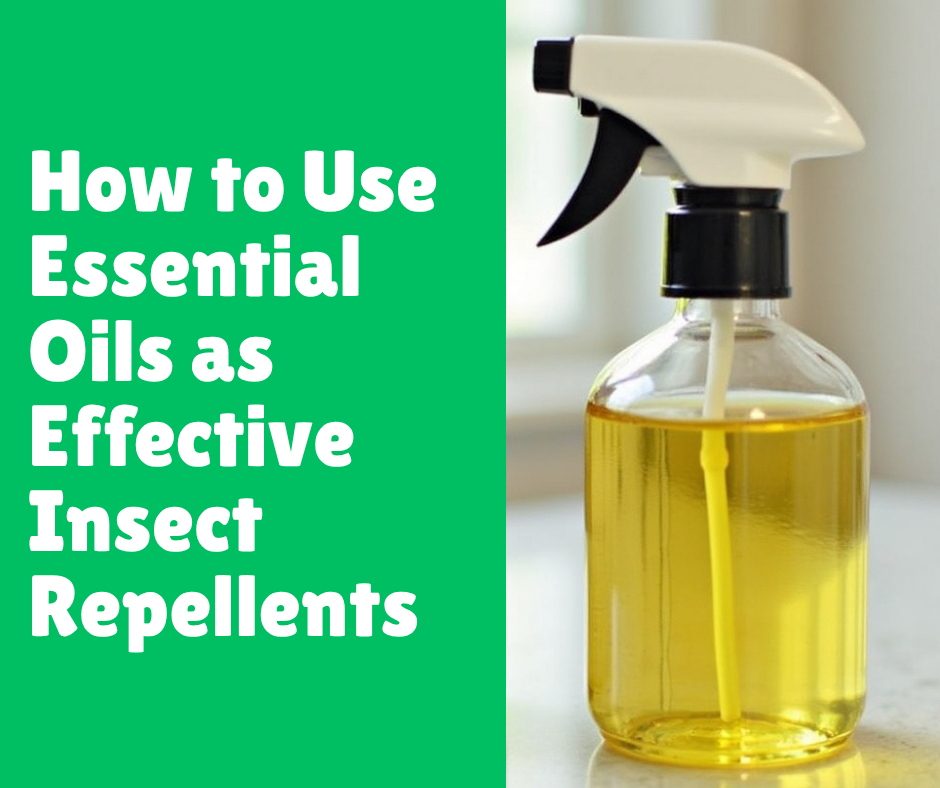
How to Use Essential Oils as Effective Insect Repellents
Post Disclaimer
Content on this site is for educational use only and not a substitute for medical advice. Herbal remedies are based on traditional knowledge and not medical recommendations. Please consult a healthcare professional before trying any herb. We do not assume responsibility for any outcomes or adverse effects resulting from the use of information provided here.
Insects are a part of life, but that doesn’t mean we have to endure their irritating bites and buzzing around us, especially during the warmer months.
For years, chemical-based insect repellents have been the go-to solution for protecting ourselves against mosquitoes, ticks, and other pesky insects. However, many people are turning to a more natural approach: essential oils.
Not only do essential oils offer a safe alternative to chemicals, but they also come with their own set of benefits like pleasant scents and skin-soothing properties.
In this blog post, I’m diving deep into the world of essential oils for insect repellent. I’ll break down what oils work best, how to use them, and even share some tips and tricks to avoid common mistakes. Let’s get into it!
Why Choose Essential Oils for Insect Repellent?
When you think of an insect repellent, you might immediately picture harsh chemicals like DEET, which are commonly used in traditional bug sprays.
While DEET is effective, it can also have negative side effects on the skin and be harmful to the environment.
Many people are now looking for more natural alternatives to avoid these potential risks. Essential oils come in as an excellent option, providing a safe, effective, and eco-friendly way to keep insects at bay.
The appeal of essential oils lies in their natural compounds, which are known for their powerful scents that insects dislike.
For example, citronella oil, eucalyptus oil, and lavender oil all have strong smells that insects tend to avoid. These oils not only help repel bugs but also offer additional benefits like soothing skin irritation and providing a calming atmosphere.
Best Essential Oils for Repelling Insects
There are several essential oils that have been found to be effective in keeping bugs away. Here’s a rundown of some of the best ones:
1. Citronella Oil
Citronella is one of the most well-known essential oils for repelling insects. Its fresh, citrusy scent has been shown to repel mosquitoes, flies, and other insects. It’s often used in candles and sprays during summer months, particularly for outdoor gatherings.
2. Eucalyptus Oil
Eucalyptus oil contains compounds that mosquitoes and ticks find particularly unpleasant. Its sharp, minty fragrance works wonders to keep insects away. It also has antimicrobial properties, which makes it a great oil to have on hand for general skin care.
3. Lavender Oil
Lavender is renowned for its relaxing qualities, but it also works as an effective insect repellent. Its floral scent can drive away mosquitoes, flies, and moths. Plus, if you do happen to get bitten, lavender oil can help calm and soothe irritated skin.
4. Tea Tree Oil
Tea tree oil is well-known for its antimicrobial properties, but it also serves as a potent insect repellent. It’s effective against mosquitoes, ants, and even lice. The oil’s strong scent and antiseptic properties make it an all-around winner for natural bug control.
5. Peppermint Oil
Peppermint oil isn’t just good for soothing your stomach—it’s also great for keeping insects away. Its strong, refreshing scent drives ants, mosquitoes, and spiders to look for a different place to hang out. Plus, peppermint oil has natural antifungal properties, making it a great addition to your DIY repellents.
6. Lemongrass Oil
Lemongrass contains citronella, which is one of the most common ingredients in insect-repelling products. This oil is particularly effective against mosquitoes and flies. Its refreshing, lemony scent is strong enough to deter insects while providing a pleasant smell for you.
How to Use Essential Oils for Insect Repellent
Now that we’ve established which essential oils are effective for repelling insects, let’s talk about how you can use them. Whether you prefer sprays, lotions, or diffuser blends, there are plenty of ways to incorporate essential oils into your daily routine for insect protection.
1. DIY Bug Spray Recipe
Creating your own insect repellent spray at home is one of the easiest ways to use essential oils. Here’s a simple recipe that combines several insect-repelling oils for maximum effect:
Ingredients:
- 1/2 cup witch hazel or vodka (acts as a base)
- 1/2 cup distilled water
- 10 drops citronella oil
- 10 drops eucalyptus oil
- 10 drops lavender oil
- 10 drops tea tree oil
- 10 drops peppermint oil
- 1 teaspoon of vegetable glycerin (optional, helps the oils mix better)
Instructions:
- In a spray bottle, combine the witch hazel or vodka with the distilled water.
- Add the essential oils—citronella, eucalyptus, lavender, tea tree, and peppermint.
- Add vegetable glycerin if desired.
- Shake well to combine.
- Spray generously on exposed skin or around your outdoor areas.
This spray can be used on the skin or in your outdoor spaces, like patios or campsites, to keep insects away.
2. Essential Oil Lotion
If you prefer a more moisturizing method, try adding essential oils to a lotion or cream. The lotion will help the oils stay on your skin longer, providing extended protection from insects.
Instructions:
- Take your favorite unscented lotion or cream.
- Add 5-10 drops of your chosen essential oil or a combination of oils.
- Mix well and apply to your skin as needed.
3. Essential Oil Diffuser
If you’re sitting outdoors or in a space where mosquitoes tend to linger, using an essential oil diffuser is a great way to ward off bugs while also enjoying a calming atmosphere. A few drops of eucalyptus, citronella, or lemongrass in a diffuser can fill the air with insect-repelling aromas.
Common Mistakes to Avoid When Using Essential Oils for Insect Repellent
Essential oils are a fantastic, natural solution for keeping insects away, but there are a few things you should be mindful of. Here are some common mistakes to avoid:
Not Diluting Essential Oils Properly
Essential oils are potent and should always be diluted before applying to your skin. Undiluted oils can cause irritation or allergic reactions. Always follow the recommended dilution guidelines, which are usually around 3-5% for topical use.
Using the Wrong Carrier Oil
When mixing essential oils with a carrier oil, not all oils are created equal. Some oils, like coconut oil or jojoba oil, are better at absorbing into the skin and providing a protective barrier, while others may leave you feeling greasy or ineffective.
Do your research and choose a carrier oil that complements your skin type and your repellent needs.
Relying Solely on Essential Oils for Protection
While essential oils can certainly help keep bugs away, they may not offer complete protection in every situation. For example, if you’re in an area heavily infested with mosquitoes, you may need to reapply more frequently or combine oils with other protective measures, like wearing long sleeves or using physical barriers (mosquito nets).
Not Testing for Allergies
Before using any new essential oil, always do a patch test on a small area of skin. Some oils can cause irritation or allergic reactions in sensitive individuals. A quick patch test can help you avoid any unwanted surprises.
Conclusion: Is Essential Oil-Based Insect Repellent Right for You?
Essential oils are an excellent, natural alternative to chemical insect repellents. They offer a safer way to protect yourself from insects while also providing a range of additional benefits like skin care and aromatherapy. Whether you choose to use essential oils in sprays, lotions, or diffusers, there are plenty of ways to incorporate them into your routine for a more eco-friendly lifestyle.
- Essential oils like citronella, eucalyptus, lavender, and peppermint are effective at repelling insects.
- You can make your own DIY insect repellent spray using simple ingredients like witch hazel and essential oils.
- Always dilute essential oils properly and avoid using them undiluted on your skin.
- Essential oils work best when combined with other protective measures, like wearing long sleeves and reapplying when necessary.
If you’ve had success using essential oils for insect repellent, I’d love to hear about your experiences in the comments! Feel free to share your favorite oils or DIY recipes with the community. Don’t forget to share this blog post with anyone who’s looking for a natural way to stay bug-free!
Frequently Asked Questions
Can I use essential oils on my pets for insect repellent?
Some essential oils, like lavender and citronella, are safe for pets in small amounts, but many essential oils can be harmful to animals. Always check with your vet before using essential oils on pets, as some oils can be toxic, especially to cats.
How often should I apply essential oils for insect protection?
You should reapply essential oils every few hours or more frequently if you’re sweating or swimming. The effectiveness of essential oils as insect repellents tends to decrease with time, so it’s important to keep them fresh on your skin.
Are there any essential oils that should be avoided for insect repellent?
Some essential oils, like cinnamon, clove, and oregano, can be too strong or irritating for the skin. Avoid using them in high concentrations on your skin, especially if you have sensitive skin.
Can I combine essential oils for a stronger effect?
Yes! Many people use a blend of different essential oils to create a more effective insect repellent. Just make sure to balance the oils properly and follow dilution guidelines.