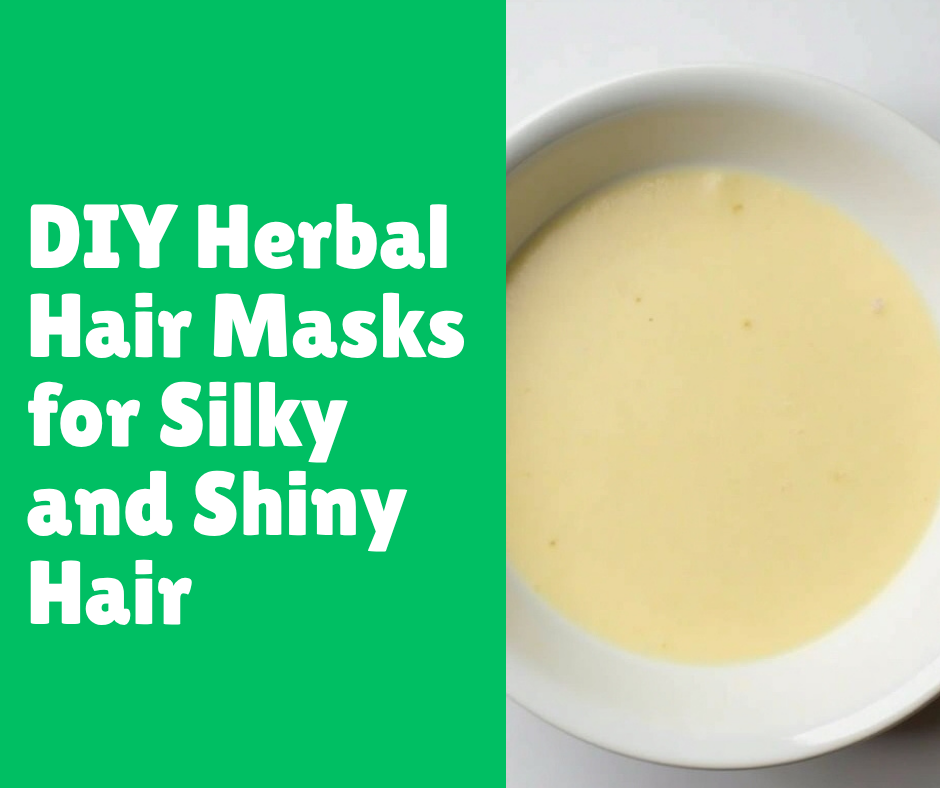
DIY Herbal Hair Masks for Silky and Shiny Hair
Post Disclaimer
Content on this site is for educational use only and not a substitute for medical advice. Herbal remedies are based on traditional knowledge and not medical recommendations. Please consult a healthcare professional before trying any herb. We do not assume responsibility for any outcomes or adverse effects resulting from the use of information provided here.
If you’ve ever dreamed of having soft, shiny, and healthy hair without spending a fortune on salon treatments or using products full of chemicals, you’re in the right place.
You might not realize it, but nature has everything you need to give your hair the love and care it deserves.
Today, we’re diving into the world of DIY herbal hair masks simple, effective, and made with ingredients you can trust.
Whether you’re looking to add shine, nourish your scalp, or give your locks a boost of vitality, herbal hair masks can help you achieve your hair goals in the most natural way possible.
In this blog post, we’ll explore how you can make your own herbal hair masks at home with easily available ingredients.
I’ll share step-by-step instructions for different hair types and needs, explain the benefits of each herb, and give you some tips on how to avoid common mistakes. Get ready to unlock the secrets to naturally beautiful, silky hair!
Why Herbal Hair Masks?
Before we jump into the recipes, let’s talk about why herbal hair masks are such a great option. In an era where we’re constantly exposed to chemicals, pollution, and stress, our hair often shows the effects.
Many commercial products are packed with artificial fragrances, preservatives, and sulfates that can dry out your hair and strip it of its natural oils.
On the other hand, herbs have been used for centuries for their healing and nourishing properties, and they can work wonders for your hair.
Herbal masks are not only gentle but also rich in vitamins, minerals, and antioxidants that your hair needs to grow healthy and shiny.
Plus, making your own masks at home means you can customize them to your specific hair needs and avoid unnecessary chemicals. It’s a win-win!
Herbal Hair Mask Recipes for Every Hair Type
Here are some of my favorite DIY herbal hair masks, each tailored to address specific hair concerns. I’ve included detailed steps and tips to make sure you get the best results. Let’s dive in!
1. Nourishing Hibiscus &Amla Hair Mask for Dry Hair
If your hair is feeling dry and lifeless, this mask is perfect for you. Hibiscus and amla (Indian gooseberry) are packed with vitamin C and antioxidants, which help restore moisture, improve scalp health, and promote hair growth. This mask will hydrate your strands and leave them feeling silky smooth.
Ingredients:
- 2-3 hibiscus flowers (fresh or dried)
- 1 tablespoon amla powder
- 1 tablespoon coconut oil
- 1 tablespoon honey
Instructions:
- Prepare the Hibiscus Flowers: If using fresh hibiscus flowers, remove the petals and blend them into a paste. If using dried hibiscus, soak the flowers in warm water for 10-15 minutes, then blend.
- Mix the Ingredients: In a bowl, combine the hibiscus paste with amla powder, coconut oil, and honey. Mix until you get a smooth, creamy consistency.
- Apply the Mask: Section your hair and apply the mask evenly from roots to ends. Massage it into your scalp for a few minutes.
- Leave it On: Cover your hair with a shower cap and leave the mask on for 30-45 minutes.
- Rinse and Enjoy: Wash the mask out with lukewarm water and a mild shampoo.
Why It Works: Hibiscus is known for its ability to nourish and strengthen hair, while amla prevents premature graying and boosts hair health. Coconut oil adds moisture, and honey locks it in.
2. Strengthening Fenugreek & Aloe Vera Hair Mask for Thinning Hair
Fenugreek seeds and aloe vera are powerhouses when it comes to promoting healthy hair growth and strengthening your strands. Fenugreek helps prevent hair fall, while aloe vera soothes the scalp and nourishes the hair follicles.
Ingredients:
- 2 tablespoons fenugreek seeds
- 2 tablespoons aloe vera gel (fresh or store-bought)
- 1 tablespoon olive oil
- 1 teaspoon lemon juice
Instructions:
- Soak the Fenugreek Seeds: Soak the fenugreek seeds in water overnight.
- Grind the Seeds: The next day, blend the soaked seeds into a paste.
- Mix the Mask: In a bowl, combine the fenugreek paste with aloe vera gel, olive oil, and lemon juice.
- Apply to Hair: Apply the mask to your scalp and hair, focusing on the roots.
- Let it Sit: Cover your hair with a shower cap and leave the mask on for 30-40 minutes.
- Rinse Out: Wash your hair with a gentle shampoo and lukewarm water.
Why It Works: Fenugreek is rich in protein and nicotinic acid, which promote healthy hair growth and prevent thinning. Aloe vera keeps the scalp moisturized and balanced, while olive oil adds shine and nourishment.
3. Soothing Lavender & Rosemary Hair Mask for Scalp Health
An itchy, irritated scalp can affect your hair’s growth and health. Lavender and rosemary oils are known for their ability to stimulate the scalp, reduce dandruff, and promote circulation. This mask is ideal for people struggling with scalp issues.
Ingredients:
- 10-15 drops of lavender essential oil
- 10-15 drops of rosemary essential oil
- 2 tablespoons olive oil
- 1 tablespoon yogurt
Instructions:
- Combine Oils and Yogurt: In a bowl, mix the olive oil with the essential oils and yogurt.
- Apply the Mask: Gently massage the mixture into your scalp for a few minutes, ensuring that it covers the entire scalp.
- Leave it On: Let the mask sit for 30 minutes to an hour.
- Rinse and Wash: Rinse thoroughly with lukewarm water and a mild shampoo.
Why It Works: Lavender oil calms the scalp and promotes relaxation, while rosemary oil stimulates circulation and helps with hair growth. Olive oil moisturizes the scalp, and yogurt provides nourishment and protein.
4. Shiny Hair with Neem& Green Tea Mask
Neem is a wonderful herb for promoting a healthy scalp and preventing dandruff, while green tea is rich in antioxidants that help fight free radicals and keep your hair shiny.
Ingredients:
- 1 tablespoon neem powder
- 1 cup brewed green tea (cooled)
- 1 tablespoon honey
Instructions:
- Brew Green Tea: Brew a cup of green tea and allow it to cool.
- Prepare the Mask: In a bowl, combine the neem powder, honey, and green tea to create a paste.
- Apply to Hair: Apply the mask from the scalp to the tips of your hair.
- Let it Sit: Leave the mask on for 30-40 minutes.
- Rinse and Condition: Rinse your hair thoroughly with lukewarm water and a mild conditioner.
Why It Works:Neem fights scalp infections and dandruff, while green tea’s antioxidants strengthen hair and add shine. Honey locks in moisture and leaves your hair feeling soft.
Common Mistakes to Avoid
While DIY herbal hair masks can be incredibly effective, there are a few common mistakes you’ll want to avoid to get the best results:
Not Preparing the Ingredients Properly: Some herbs need to be soaked or ground into a paste for maximum effectiveness. Make sure you’re preparing your ingredients the right way.
Leaving the Mask On for Too Long: While most hair masks are effective when left on for 30-45 minutes, leaving them on longer won’t necessarily provide better results and may lead to scalp irritation.
Using Too Much Product: You don’t need to overdo it. Apply a generous amount of the mask, but don’t go overboard. A little goes a long way!
Not Rinsing Thoroughly: Always rinse out herbal masks thoroughly. Any residue left behind can weigh your hair down or cause it to look greasy.
Conclusion
DIY herbal hair masks are a simple yet effective way to nourish and revitalize your hair using natural ingredients. Whether you’re looking to hydrate dry hair, promote growth, or soothe your scalp, there’s a mask for you.
The best part? You can customize these masks based on your hair’s unique needs, and they are free from harsh chemicals and artificial fragrances.
I encourage you to give these recipes a try and see the transformation for yourself. Hair care doesn’t have to be complicated, and with these herbal masks, you can achieve shiny, healthy hair with minimal effort.
Let me know how your DIY hair mask journey goes — share your results in the comments or tag me on social media. I’d love to hear how these masks worked for you!
FAQs:
How often should I use herbal hair masks?
It depends on your hair type and needs. For most people, using a mask once a week is ideal, but if your hair is particularly dry or damaged, you can use it more often.
Can I substitute ingredients in the masks?
Yes! If you don’t have a particular ingredient, feel free to substitute it with something similar. For example, you can replace coconut oil with olive oil, or use fresh aloe vera gel instead of store-bought.
Are herbal hair masks suitable for all hair types?
Absolutely! These masks are designed for different hair concerns, so you can pick the one that best suits your hair type. Just be sure to adjust the ingredients if necessary.
Can I store herbal hair masks?
It’s best to use the masks immediately after preparation, as fresh ingredients are more effective. However, you can store any leftover mask in the refrigerator for up to a week. Make sure to mix it well before using it again.