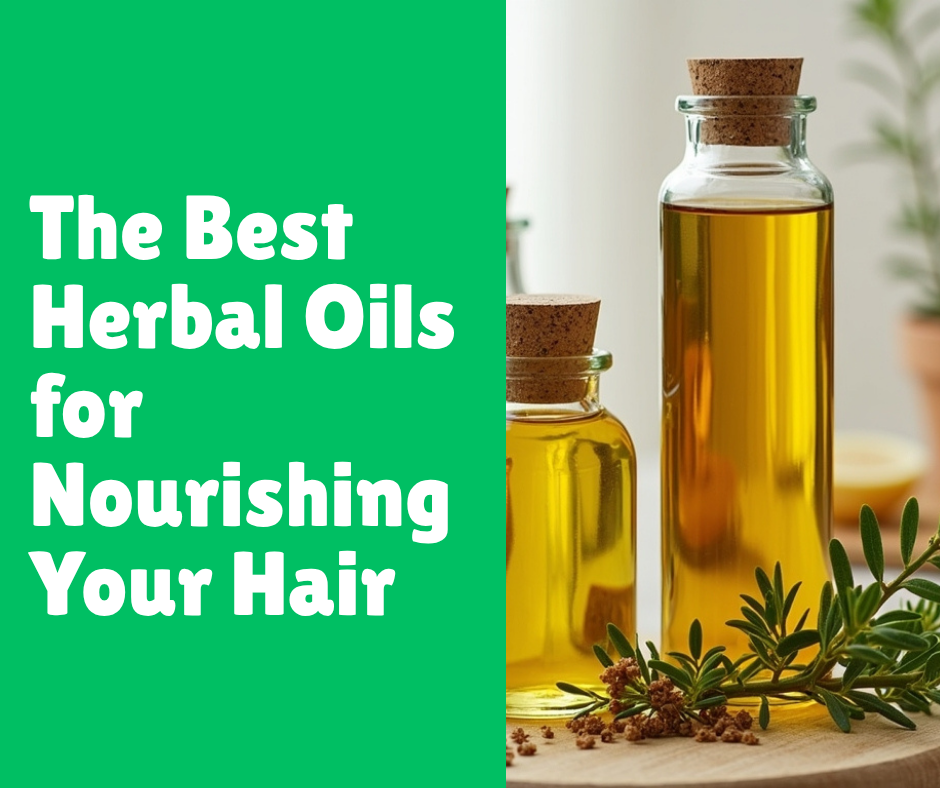
The Best Herbal Oils for Nourishing Your Hair
Post Disclaimer
Content on this site is for educational use only and not a substitute for medical advice. Herbal remedies are based on traditional knowledge and not medical recommendations. Please consult a healthcare professional before trying any herb. We do not assume responsibility for any outcomes or adverse effects resulting from the use of information provided here.
We all dream of having healthy, shiny, and strong hair, but it’s not always easy to achieve with the constant exposure to environmental stressors, heat styling tools, and chemical-laden hair products. As a result, many of us turn to nature for answers.
If you’re tired of synthetic solutions and want to give your hair the love it deserves, herbal oils could be the perfect remedy.
These oils are rich in essential nutrients, vitamins, and antioxidants that nourish your hair from the roots to the tips, leaving it looking vibrant and full of life.
But how do you choose the best herbal oils for your hair type and concerns? In this post, I’ll walk you through the most effective herbal oils for nourishing your hair, their benefits, and how to use them.
I’ll also share my personal insights on how to incorporate them into your hair care routine. Ready for a natural hair transformation? Let’s dive in!
Why Herbal Oils Are Beneficial for Hair Health
Before we dive into specific oils, let’s explore why herbal oils are so effective in promoting healthy hair.
Herbal oils are extracted from plants, flowers, seeds, and nuts. These oils are packed with natural compounds that provide nourishment to the hair and scalp.
Unlike many synthetic hair care products, which often contain harmful chemicals, herbal oils offer a gentler, more holistic approach to hair care.
Some key benefits of herbal oils include:
Nourishment at the Root: Herbal oils penetrate deep into the scalp, promoting circulation and delivering essential nutrients directly to hair follicles. This helps in stimulating hair growth and strengthening the roots.
Natural Moisturization: Dry, brittle hair can often lead to breakage and frizz. Herbal oils restore moisture balance to the hair and scalp, preventing excessive dryness and ensuring your hair remains soft and manageable.
Scalp Health: Many herbal oils have anti-inflammatory, antifungal, and antibacterial properties that help maintain a healthy scalp. This is important for preventing dandruff, itching, and other scalp issues that can hinder hair growth.
Rich in Antioxidants: Herbal oils are rich in vitamins, antioxidants, and essential fatty acids that protect your hair from free radicals, environmental stressors, and UV damage, which can cause hair aging and dullness.
Now that we understand why herbal oils are so great for hair health, let’s explore the best ones to incorporate into your routine.
The Top 5 Herbal Oils to Nourish Your Hair
There’s a vast variety of herbal oils available, each with unique properties and benefits. Here are my top five picks that I’ve personally found to be the most effective for nourishing and strengthening hair.
1. Argan Oil
Often referred to as “liquid gold,” argan oil is rich in vitamins A, E, and essential fatty acids, making it ideal for promoting healthy hair growth, reducing frizz, and enhancing shine. It’s especially effective for dry or damaged hair, as it deeply moisturizes and repairs from the inside out.
Benefits:
- Moisturizes and nourishes dry hair
- Reduces frizz and enhances shine
- Repairs split ends and promotes hair elasticity
2. Rosemary Oil
Rosemary oil has long been used to promote hair growth. It stimulates blood circulation to the scalp, which encourages hair follicles to grow stronger, thicker hair. It’s also great for improving scalp health by balancing oil production and preventing dandruff.
Benefits:
- Promotes hair growth and thickness
- Improves scalp health and reduces dandruff
- Strengthens hair follicles and prevents hair loss
3. Lavender Oil
Lavender oil isn’t just a soothing scent for your home—it’s also a fantastic herbal oil for your hair. Known for its calming and antimicrobial properties, lavender oil can help prevent hair thinning and reduce dandruff. It also helps with improving blood circulation in the scalp.
Benefits:
- Reduces hair thinning and promotes growth
- Soothes irritated scalp
- Prevents dandruff and dry scalp issues
4. Coconut Oil
Coconut oil has become a staple in the natural hair care community, and for good reason. It’s rich in medium-chain fatty acids that deeply penetrate the hair shaft, preventing protein loss and promoting softness and strength. It’s perfect for dry, damaged, or frizzy hair.
Benefits:
- Deeply moisturizes and conditions hair
- Prevents protein loss and strengthens hair strands
- Adds a healthy shine and smoothness
5. Castor Oil
Castor oil is a heavyweight when it comes to hair growth. It’s packed with ricinoleic acid, which improves circulation and stimulates hair follicles. Castor oil is particularly helpful for thinning hair or slow hair growth.
Benefits:
- Stimulates hair growth and thickness
- Strengthens hair and prevents breakage
- Enhances moisture retention and hydration
Table: Comparison of Top 5 Herbal Oils for Hair Nourishment
| Herbal Oil | Main Benefits | Best For |
| Argan Oil | Moisturizes, reduces frizz, enhances shine, repairs damage | Dry or damaged hair, frizzy hair |
| Rosemary Oil | Promotes hair growth, improves scalp health, prevents dandruff | Thinning hair, dandruff-prone scalp |
| Lavender Oil | Reduces thinning, soothes scalp, prevents dandruff | Sensitive scalp, dandruff, hair thinning |
| Coconut Oil | Deeply moisturizes, prevents protein loss, adds shine | Dry, frizzy, or damaged hair |
| Castor Oil | Stimulates growth, prevents breakage, enhances moisture retention | Thinning or slow-growing hair |
How to Use Herbal Oils for Maximum Benefit
It’s not enough to just buy a bottle of your favorite herbal oil—you need to know how to use it properly to see the best results. Here’s a step-by-step guide on how to incorporate herbal oils into your hair care routine.
Step 1: Choose the Right Oil for Your Hair Type
Before applying any oil, you must choose one that aligns with your hair needs. For example, if you have dry or damaged hair, go for a rich oil like argan or coconut oil. If you’re looking for hair growth, try rosemary or castor oil.
Step 2: Warm the Oil
Warming the oil helps it penetrate deeper into the scalp and hair shaft. You can warm the oil by placing the bottle in a bowl of hot water for a few minutes or by microwaving it for a few seconds. Be careful not to overheat it.
Step 3: Apply to Scalp and Hair
Start by applying the oil to your scalp, massaging gently in circular motions to stimulate blood circulation. Once your scalp is covered, work the oil through the length of your hair, focusing on the ends where damage is most likely to occur.
Step 4: Leave It On
For deep conditioning, leave the oil on for at least 30 minutes to an hour. You can even wrap your hair in a warm towel or use a shower cap to retain heat, which will help the oil penetrate even deeper.
Step 5: Rinse and Wash
After leaving the oil on for the recommended time, rinse it out with warm water and shampoo. You may need to shampoo twice to remove all the oil, depending on how much you used.
Step 6: Repeat Regularly
To see the best results, incorporate herbal oils into your routine at least once a week. For optimal hair growth, you can apply the oil 2-3 times per week.
Common Mistakes to Avoid When Using Herbal Oils
While herbal oils are amazing for hair care, there are some common mistakes people make that can hinder their progress. Here are a few pitfalls to avoid:
Using Too Much Oil
More isn’t always better. Applying excessive amounts of oil can leave your hair greasy and heavy. Stick to a small amount about a teaspoon or tablespoon depending on hair length and adjust as necessary.
Leaving Oil on Too Long
Though oils are great for nourishing your hair, leaving them on for an excessive amount of time (such as overnight) can lead to buildup on the scalp, which may clog hair follicles and cause irritation.
Not Rinsing Properly
It’s important to rinse your hair thoroughly after using oils. If not washed out properly, the oil can leave residue that weighs your hair down and makes it look greasy.
Using the Wrong Oil for Your Hair Type
Make sure you choose the right oil for your specific hair concerns. For example, castor oil is very thick and can be too heavy for fine hair, while coconut oil may not provide enough moisture for coarse, dry hair.
Conclusion: Nourish Your Hair the Natural Way
Herbal oils are an amazing way to nourish your hair from the inside out. They offer a natural, chemical-free alternative to the harsh ingredients found in many commercial hair products.
Whether you’re looking to boost hair growth, fight frizz, or simply keep your hair healthy and hydrated, there’s an herbal oil for every need.
By incorporating these oils into your hair care routine, you can enjoy stronger, shinier, and more vibrant hair in no time. So why not give them a try? I’d love to hear your thoughts!
Drop a comment below and let me know which herbal oil you’re most excited to try. If you found this post helpful, don’t forget to share it with your friends and family who could also benefit from a little hair care TLC.
FAQs
Can I mix different herbal oils for my hair?
Yes! You can mix several oils together to create a customized blend that suits your hair’s unique needs. For example, you can mix castor oil and rosemary oil for growth stimulation, or combine coconut oil and argan oil for added moisture and shine.
How often should I use herbal oils for my hair?
Using herbal oils once or twice a week is usually sufficient for most people. However, if you have very dry or damaged hair, you may want to use oils more frequently.
Can herbal oils help with dandruff?
Yes! Oils like rosemary and lavender have antifungal and antibacterial properties that can help prevent dandruff. Regular use of these oils can keep your scalp healthy and free from flakes.