
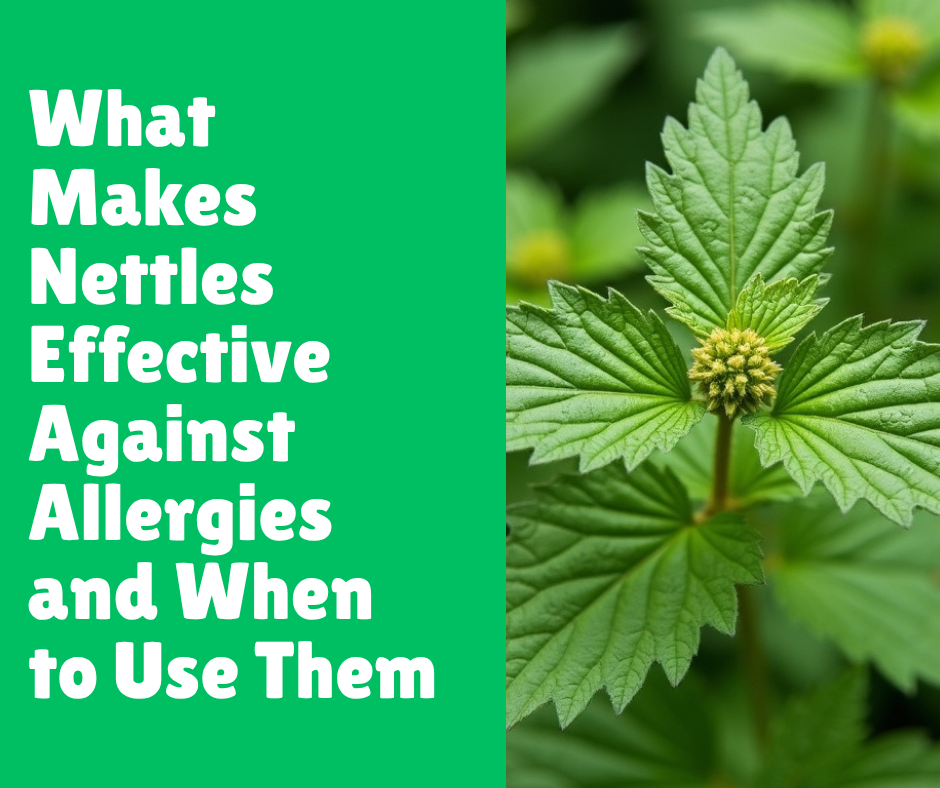
What Makes Nettles Effective Against Allergies and When to Use Them
Post Disclaimer
Content on this site is for educational use only and not a substitute for medical advice. Herbal remedies are based on traditional knowledge and not medical recommendations. Please consult a healthcare professional before trying any herb. We do not assume responsibility for any outcomes or adverse effects resulting from the use of information provided here.
Seasonal allergies those frustrating sneezes, itchy eyes, and stuffy nosescan make life feel like a constant battle against nature.
Whether it’s pollen in the spring or dust in the fall, many of us find ourselves reaching for antihistamines or nasal sprays in a desperate attempt to relieve symptoms. But what if there was a natural solution right under our noses?
Enter nettles. This unassuming plant, often seen as a nuisance in gardens, has been used for centuries in herbal medicine. Beyond its notorious sting, nettles have impressive anti-inflammatory and antihistamine properties that can be a game-changer for allergy sufferers.
In this post, I’ll walk you through everything you need to know about using nettles to combat allergies what they are, how they work, and the best ways to incorporate them into your allergy-fighting routine.
Benefits of Nettles for Allergies:
- Natural antihistamine: Helps control allergic reactions by blocking histamine production.
- Anti-inflammatory properties: Reduces inflammation in the body, especially in the nasal passages.
- Rich in nutrients: Nettles are packed with vitamins and minerals, including vitamin C, iron, and calcium, which support overall health.
- Supports the immune system: They can help strengthen the immune system, making it less likely to overreact to allergens.
How to Use Nettles for Allergies
There are several ways to incorporate nettles into your allergy-fighting routine. I’ve broken down the most effective methods below, complete with step-by-step instructions to make it as simple as possible to get started.
1. Nettle Tea
One of the easiest and most popular ways to consume nettles for allergy relief is by making nettle tea. The tea is soothing, simple to prepare, and effective at delivering the plant’s beneficial properties directly into your system.
Step-by-Step Guide:
- Ingredients: Fresh or dried nettles (about 1 tablespoon), hot water.
- Instructions:
- If you’re using fresh nettles, carefully harvest them using gloves to avoid stings. If you’re using dried nettles, you can skip this step.
- Boil water and pour it over the nettles in a tea infuser or directly in your cup.
- Let the tea steep for 5–10 minutes. The longer you steep, the stronger the tea will be.
- Strain the leaves out, and enjoy! You can add honey or lemon to enhance the taste if you prefer.
I’ve found nettle tea to be especially helpful during allergy season. Not only does it help with sneezing and congestion, but it’s a nice calming ritual in the middle of a hectic day. I like to drink it in the morning and again before bed for maximum relief.
2. Nettle Capsules or Supplements
If you’re not a fan of tea or simply want a more convenient option, nettle capsules or supplements are a great alternative. Many herbalists recommend these as a potent and effective method for allergy relief.
Step-by-Step Guide:
- How to Use: Follow the recommended dosage on the supplement bottle, typically 300–500 mg per day.
- Instructions:
- Choose high-quality nettle supplements, ideally in the form of freeze-dried powder or capsules.
- Take the supplement with a full glass of water. It’s best to take nettles on an empty stomach for better absorption.
- Stick to the recommended dosage. Be mindful of potential side effects like stomach upset if this occurs, try taking it with food.
I’ve used nettle capsules in the past, especially when I’m in a hurry and can’t make tea. They’re a great option for those who are looking for a quick, no-fuss solution. Just be sure to choose a reputable brand to get the full benefits.
3. Nettle Extract (Tincture)
A tincture is a concentrated liquid form of nettles that you can take directly or add to water or juice. It’s a potent way to enjoy the allergy-fighting benefits of nettles.
Step-by-Step Guide:
- Ingredients: Nettle extract tincture, water or juice.
- Instructions:
- Add the recommended dosage (usually 10–20 drops) of nettle tincture to a glass of water or juice.
- Drink it 1–2 times per day, depending on your needs.
- If you’re new to nettle tinctures, start with a lower dose and gradually increase as needed.
Personal Insight: Nettle tincture is my go-to when I need a quick allergy fix. It works fast, and I love how easy it is to take. The taste can be a bit strong, but it’s nothing you can’t get used to.
4. Topical Nettle Poultice for Skin Reactions
In addition to their internal benefits, nettles can also help with skin reactions caused by allergies, such as rashes or hives. A poultice made from crushed fresh nettles can be applied directly to the skin to reduce irritation.
Step-by-Step Guide:
- Ingredients: Fresh nettles, water.
- Instructions:
- Harvest fresh nettles using gloves and crush them into a paste with a mortar and pestle or by hand.
- Add a small amount of water to help form a paste.
- Apply the poultice directly to the affected area.
- Leave it on for 20–30 minutes, then rinse off.
This method is especially useful if you’ve been outdoors and have had an allergic reaction to something like poison ivy or a plant-based rash. It can be surprisingly soothing!
Nettle for Allergies: What the Research Says
There have been several studies supporting the use of nettles for allergy relief. One study published in the Journal of Herbal Medicine found that nettles helped significantly reduce hay fever symptoms in participants who took a daily nettle extract supplement.
Additionally, nettles are often included in formulations for allergy remedies, such as nasal sprays or eye drops, because of their ability to act as a natural antihistamine.
Research backs up the anecdotal evidence, which makes me even more confident in recommending them.
Common Mistakes to Avoid When Using Nettles for Allergies
While nettles are a powerful tool for combating allergies, there are some common mistakes people make when using them. Here are a few things to keep in mind:
Not Harvesting Safely: Nettles can sting, so it’s essential to wear gloves when handling fresh nettles. Always wear protective gear to avoid getting stung.
Not Being Consistent: Like any herbal remedy, nettles work best with regular use. Don’t expect instant relief after one dose. Consistency is key, especially if you’re using nettles to prevent symptoms.
Overdoing It: More isn’t always better. If you’re using nettles for the first time, start with a small dose and gradually increase. Overuse can sometimes cause digestive upset or skin irritation.
Table: Comparing Different Nettle Remedies
| Method | Best For | Recommended Dosage/Use |
| Nettle Tea | Relieving nasal congestion and sneezing | 1-2 cups per day, steep for 5–10 minutes |
| Nettle Capsules/Supplements | General allergy relief | 300–500 mg per day |
| Nettle Extract (Tincture) | Quick relief for acute symptoms | 10–20 drops per day in water or juice |
| Nettle Poultice | Skin reactions like rashes or hives | Apply directly to affected area for 20–30 minutes |
Conclusion
Nettles are more than just a pesky weed they’re a powerful natural remedy for managing allergies. From reducing inflammation to acting as a natural antihistamine, nettles provide a variety of benefits that can help you tackle your allergy symptoms without relying on chemical medications.
If you’re struggling with allergies, I highly encourage you to give nettles a try. Whether you choose to make tea, take supplements, or try a tincture, this humble plant has the potential to provide significant relief.
Remember to start small, be consistent, and always harvest safely. With these tips in mind, you can enjoy the allergy season with fewer symptoms and more peace of mind.
- Nettles are a natural antihistamine and anti-inflammatory that can help alleviate allergy symptoms.
- They can be consumed in various forms: tea, supplements, tinctures, or even applied topically as a poultice.
- Consistency is crucial for best results, and it’s important to avoid common mistakes like overuse or improper harvesting.
If you’ve tried nettles for allergies, I’d love to hear your experience! Leave a comment below or share this post with anyone who might find it helpful. And remember, nature often provides the best solutions sometimes, we just need to give it a try!





Great info.