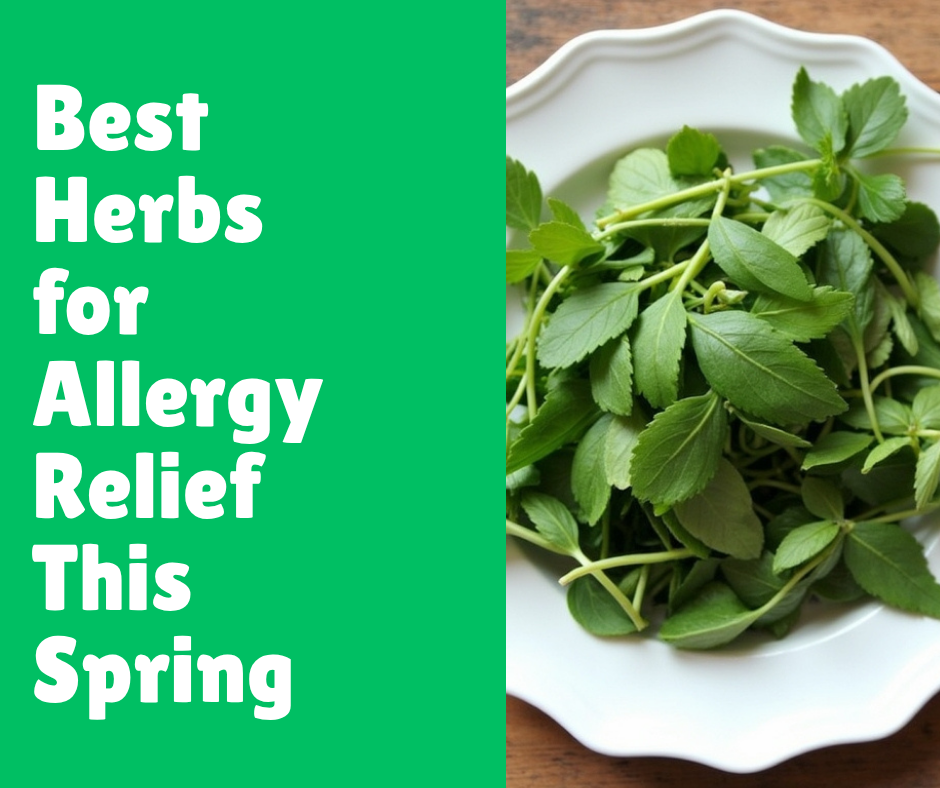
Best Herbs for Allergy Relief This Spring
Post Disclaimer
Content on this site is for educational use only and not a substitute for medical advice. Herbal remedies are based on traditional knowledge and not medical recommendations. Please consult a healthcare professional before trying any herb. We do not assume responsibility for any outcomes or adverse effects resulting from the use of information provided here.
As spring begins to paint the world with vibrant colors, it also brings along something less charming seasonal allergies. The change in weather and blooming flowers trigger reactions in many, leading to sneezing, itchy eyes, congestion, and discomfort.
But here’s the good news: nature offers some powerful herbs that can help alleviate these symptoms without relying on harsh medications. In this blog post, I’ll be diving into some of the best herbs for allergy relief this spring, offering natural solutions that are easy to incorporate into your daily routine.
Whether you’re new to herbal remedies or looking for ways to enhance your allergy relief routine, this guide is for you!
1. Nettle: A Natural Antihistamine
If you’ve ever tried an over-the-counter antihistamine, you know that they help block the histamine response that causes allergy symptoms. But did you know that a humble herb like nettle can do the same thing naturally? Nettle (Urticadioica) is a powerful herb that has long been used in traditional medicine for its anti-inflammatory and antihistamine properties.
How it helps:
Nettle works by blocking the body’s production of histamines, which are responsible for causing allergy symptoms. It helps reduce inflammation in the nasal passages and sinuses, making it an effective remedy for seasonal allergies.
How to use it:
Nettle can be taken in several forms, including as a dried herb in teas, tinctures, or capsules. I personally love brewing a cup of nettle tea in the morning, as it has a mild, earthy flavor. If you’re using tinctures or capsules, follow the recommended dosage on the packaging, but generally, 300-500 mg daily is a good starting point.
I’ve found that combining nettle with lemon and honey in a warm tea creates a soothing drink that not only helps with allergies but also boosts hydration.
2. Butterbur: The Herbal Powerhouse for Sinus Relief
When it comes to sinus relief, butterbur (Petasiteshybridus) is a powerhouse herb. Research has shown that butterbur extract can be as effective as antihistamine medications for relieving allergy symptoms. It’s particularly effective for people who experience nasal congestion and sinus pressure.
How it helps:
Butterbur contains compounds that work to reduce inflammation and the release of histamine, helping to clear up sinus congestion and reduce sneezing and itching. It has a soothing effect on the respiratory system and can ease the pressure that often comes with seasonal allergies.
How to use it:
Butterbur can be taken in capsule or tablet form, with doses typically ranging from 50-75 mg, two to three times a day. Look for a standardized extract to ensure you’re getting a safe and effective dose.
One of my go-to remedies during allergy season is a combination of butterbur and peppermint tea. The peppermint helps open up the sinuses, while butterbur works in the background to keep things under control.
3. Quercetin: The Anti-Inflammatory Flavonoid
Quercetin, a flavonoid found in many fruits and vegetables, is a powerful anti-inflammatory agent. It’s one of the best herbs for allergy relief because it helps to stabilize the cells that release histamine. This can prevent the onset of allergy symptoms before they even begin.
How it helps:
Quercetin inhibits the release of histamine, reducing the likelihood of allergic reactions. Additionally, its antioxidant properties help combat inflammation in the body, which is particularly helpful for those suffering from swollen nasal passages or itchy eyes.
How to use it:
You can find quercetin in supplement form, typically in capsules or tablets. A common dosage is around 500 mg per day, though I recommend checking with a healthcare provider to determine the right dosage for you.
I’ve started adding quercetin-rich foods like apples, onions, and citrus fruits into my meals during allergy season, and I can definitely say it’s made a difference. The combination of food and supplements has worked wonders for me.
4. Eucalyptus: Breathing Easier Naturally
Eucalyptus is another fantastic herb to help with allergy symptoms, particularly for congestion and difficulty breathing. Known for its cooling and soothing properties, eucalyptus essential oil is a favorite in many homes to help clear out the sinuses and relieve breathing issues.
Eucalyptus oil contains eucalyptol, a compound known to reduce inflammation and open up the airways. It can help ease nasal congestion, reduce sinus pressure, and promote easier breathing. When inhaled, it can provide immediate relief for those struggling with a stuffy nose.
How to use it:
I love using eucalyptus oil in a diffuser at night, which helps me breathe easier while I sleep. You can also create a steam inhalation by adding a few drops of eucalyptus essential oil to a bowl of hot water, then covering your head with a towel and inhaling the steam for 5-10 minutes.
For a refreshing and decongesting shower, I’ll add a few drops of eucalyptus oil to the bottom of the shower floor. The steam helps release the oils into the air, giving me that immediate, soothing feeling.
5. Ginger: A Root for Respiratory Health
Ginger (Zingiberofficinale) is another herb with a multitude of health benefits, especially when it comes to supporting the respiratory system during allergy season. It’s known for its anti-inflammatory and immune-boosting properties, making it an excellent ally when managing allergy symptoms.
How it helps:
Ginger helps reduce inflammation and congestion, promoting better airflow and easing irritation in the throat and sinuses. Its natural properties help relieve coughing, throat discomfort, and other symptoms associated with seasonal allergies.
How to use it:
Ginger can be consumed fresh, as a tea, or in supplement form. I love making fresh ginger tea by slicing a small piece of ginger root and steeping it in hot water for about 10 minutes. Adding a bit of honey or lemon enhances the flavor and adds extra soothing benefits.
I find that ginger combined with a little cayenne pepper helps clear out the sinuses. It’s a bit of a kick, but it works wonders when I’m feeling congested.
Table: Best Herbs for Allergy Relief This Spring
| Herb | Benefits | How to Use |
| Nettle | Blocks histamines, reduces inflammation | Tea, capsules, or tinctures (300-500 mg daily) |
| Butterbur | Reduces nasal congestion, effective for sinus pressure | Capsules (50-75 mg, 2-3 times daily) |
| Quercetin | Prevents histamine release, reduces inflammation | Supplements (500 mg daily) |
| Eucalyptus | Clears sinuses, promotes easier breathing | Essential oil in diffuser or steam inhalation |
| Ginger | Reduces inflammation, helps with respiratory discomfort | Fresh tea, supplements, or in meals |
Common Mistakes to Avoid When Using Herbs for Allergies
While herbal remedies can be incredibly helpful, it’s important to approach them with care. Here are a few common mistakes to avoid:
Not Researching Dosages: Each herb has a recommended dosage, and taking too much can lead to side effects. Always read labels and consult with a healthcare professional if you’re unsure about the right amount.
Relying Solely on Herbs: While herbs can be effective, they might not work as a stand-alone solution for severe allergies. Consider using them alongside other allergy management methods, such as avoiding allergens or using a saline rinse for your sinuses.
Ignoring Possible Allergies to the Herbs: It’s rare, but some individuals might be allergic to specific herbs. If you’re trying a new herb, start with a small dose and monitor for any adverse reactions.
Expecting Instant Results: Herbs take time to work, so don’t expect immediate relief. Consistency is key, and it may take a few days to a week to notice significant improvement.
Conclusion
Spring allergies don’t have to take over your life, especially when nature offers so many effective remedies. Herbs like nettle, butterbur, quercetin, eucalyptus, and ginger can provide natural, gentle relief from symptoms like congestion, sneezing, and itchy eyes.
While herbs can work wonders, remember to use them mindfully and alongside other allergy management strategies.
- There are several herbs that offer natural allergy relief, including nettle, butterbur, quercetin, eucalyptus, and ginger.
- These herbs work in different ways to reduce inflammation, block histamines, and ease respiratory discomfort.
- Be mindful of dosages and consult with a healthcare professional if needed.
Have you tried any of these herbs for allergy relief? Or do you have any other natural remedies you swear by during allergy season? Share your thoughts in the comments below, and don’t forget to pass this guide along to anyone who could use a little help this spring!
FAQs
Can I combine these herbs for more effective allergy relief?
Yes, you can combine herbs like nettle, butterbur, and quercetin for enhanced benefits. Just be sure to check for any potential interactions or side effects, especially if you’re taking medications.
How long does it take for these herbs to start working?
It varies depending on the individual and the herb. Generally, you should expect to notice some relief within a few days to a week with consistent use.
Are these herbs safe for children?
Some of these herbs may be safe for children, but it’s always best to consult with a pediatrician before giving herbs to children, especially if they are under 2 years old.
Can I use these herbs in combination with my allergy medication?
It’s usually fine to use these herbs alongside prescription allergy medications, but it’s important to speak with your doctor first to avoid any potential interactions.