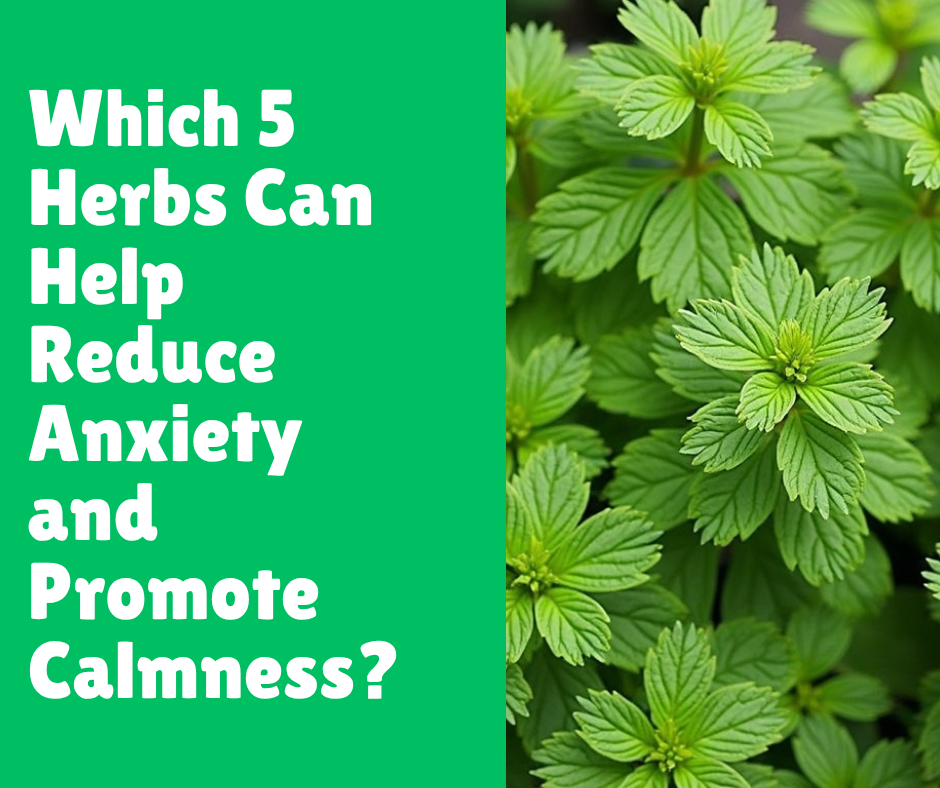
Which 5 Herbs Can Help Reduce Anxiety and Promote Calmness?
Post Disclaimer
Content on this site is for educational use only and not a substitute for medical advice. Herbal remedies are based on traditional knowledge and not medical recommendations. Please consult a healthcare professional before trying any herb. We do not assume responsibility for any outcomes or adverse effects resulting from the use of information provided here.
Life can get overwhelming. Between work, personal obligations, and everything else in between, stress and anxiety often feel like constant companions. For many, medication is the first solution, but what if there’s a more natural way to find calm?
Enter herbs. These potent plants have been used for centuries in various cultures to promote relaxation, alleviate anxiety, and encourage mental well-being.
In this blog post, I’ll explore the top 5 herbs that can help you ease anxiety and find a sense of calm in your day-to-day life.
These herbs aren’t a quick fix, but they can offer long-term benefits when incorporated into a balanced lifestyle. Let’s dive into the natural world of calming herbs!
Lavender: The Relaxation Powerhouse
Lavender is perhaps the most famous herb when it comes to stress relief. It’s no surprise that it’s often the go-to remedy for calming the mind. I’ve personally found that a few drops of lavender essential oil on my pillow before bed can make a huge difference in how easily I fall asleep.
This herb works wonders by affecting the limbic system (the part of the brain that controls emotions), helping to reduce feelings of stress and anxiety.
Why Lavender Works:
Lavender contains compounds like linalool and linalyl acetate, which have a soothing effect on the nervous system.
Research shows that lavender may reduce cortisol (the stress hormone) levels in the body, and studies have even suggested its potential to improve sleep quality.
How to Use Lavender:
- Lavender Tea: A warm cup of lavender tea before bed can promote relaxation. Steep 1-2 teaspoons of dried lavender in hot water for about 5-10 minutes. Drink it in the evening, and feel your worries melt away.
- Aromatherapy: Using a diffuser or simply inhaling the scent directly from a bottle can immediately calm you. Place a few drops of lavender essential oil into a diffuser or on a cotton ball and inhale deeply.
- Lavender Bath: Add a few drops of lavender essential oil or dried lavender to your bath. It’s one of the simplest ways to unwind after a stressful day.
Common Mistake to Avoid:
Using too much lavender oil can cause headaches or skin irritation. Always dilute essential oils with a carrier oil before applying them topically, and don’t overdo it in the diffuser.
Chamomile: The Gentle Soother
Chamomile is another well-known herb that’s been used for centuries to promote relaxation. It’s often associated with a warm, calming cup of tea, which has been a bedtime ritual for many. I personally enjoy chamomile tea on those days when my mind just won’t quiet down.
Why Chamomile Works:
Chamomile contains apigenin, a flavonoid that binds to receptors in the brain, promoting relaxation and sleep. It’s known for its gentle sedative properties, making it a great option for those who prefer a more subtle approach to stress reduction.
How to Use Chamomile:
- Chamomile Tea: Simply steep a chamomile tea bag in hot water for 5-10 minutes, and enjoy. Drink it 30 minutes before bed to help unwind after a stressful day.
- Chamomile Essential Oil: Use chamomile essential oil in a diffuser or mix with a carrier oil for a calming massage. It can help you relax and even soothe an upset stomach.
- Chamomile Bath: Just like lavender, adding chamomile to a warm bath can provide total relaxation.
Common Mistake to Avoid:
Chamomile can interact with certain medications, such as blood thinners. If you’re on medication, check with your doctor before using chamomile regularly.
Ashwagandha: The Stress-Relieving Adaptogen
Ashwagandha, often called “Indian ginseng,” is an adaptogenic herb known for its ability to help the body adapt to stress. Unlike other herbs that may immediately calm you, ashwagandha works gradually by lowering cortisol levels and supporting the adrenal glands, which are responsible for the body’s stress response.
Why Ashwagandha Works:
Ashwagandha has been shown in several studies to reduce cortisol levels, balance hormones, and promote mental clarity. It’s often used in Ayurvedic medicine to fight fatigue and boost overall vitality.
It doesn’t just help with anxiety it can also help increase energy levels, making it perfect for those who feel stressed and burnt out.
How to Use Ashwagandha:
- Ashwagandha Powder: You can add ashwagandha powder to smoothies, teas, or even soups. The recommended dosage is typically around 300-500 mg, once or twice daily. Just be sure to check with your healthcare provider, especially if you’re pregnant or nursing.
- Ashwagandha Capsules: If you don’t like the taste of the powder, capsules are an easy alternative. They’re often standardized for a more precise dose.
- Ashwagandha Tea: Some companies offer ashwagandha tea blends, though it’s less common. You can also mix ashwagandha powder with warm water and honey to create your own tea.
Common Mistake to Avoid:
Since ashwagandha is a potent herb, it’s important to start with a lower dose to avoid any digestive discomfort or drowsiness. Always consult with a healthcare provider before beginning regular use, especially if you have thyroid issues or take medication for anxiety.
Passionflower: The Natural Calming Agent
If you’re looking for an herb that can calm both your mind and body, passionflower might be your perfect match. It’s often used for anxiety, insomnia, and even nervous tension.
I’ve used passionflower on occasions when my mind races with thoughts, and I’m happy to say it has helped me relax and sleep more soundly.
Why Passionflower Works:
Passionflower has been shown to increase GABA (gamma-aminobutyric acid) in the brain, a neurotransmitter that helps regulate the nervous system and promotes calmness.
GABA is often targeted by anti-anxiety medications, which makes passionflower an attractive natural alternative for anxiety relief.
How to Use Passionflower:
- Passionflower Tea: Steep 1-2 teaspoons of dried passionflower in hot water for 10 minutes, and drink it in the evening before bed.
- Passionflower Extract: For a more potent dose, you can take passionflower extract in capsule or tincture form. This may provide quicker relief for anxiety symptoms.
- Passionflower Bath: If you’re feeling especially tense, add dried passionflower petals or a few drops of passionflower extract to your bath for a calming experience.
Common Mistake to Avoid:
Passionflower may cause drowsiness, so it’s not a good option for daytime use unless you’re looking to relax completely. Be cautious when combining passionflower with other sedatives or alcohol.
Lemon Balm: The Mental Clarity Herb
Lemon balm is a member of the mint family, and its lemony scent and taste have been cherished for their calming properties. It’s one of my favorite herbs for staying focused and calm during busy workdays.
Lemon balm is especially helpful for those who suffer from anxiety but also need to stay sharp and clear-headed.
Why Lemon Balm Works:
Lemon balm contains rosmarinic acid, which has been shown to reduce anxiety and improve mood. It works by soothing the nervous system and promoting a sense of tranquility without causing drowsiness.
How to Use Lemon Balm:
- Lemon Balm Tea: Brew lemon balm leaves in hot water for 5-10 minutes. It’s refreshing and calming at the same time, making it perfect for a midday pick-me-up.
- Lemon Balm Capsules: If you don’t have fresh lemon balm, you can take it in capsule form. Follow the recommended dosage for a steady calming effect throughout the day.
- Lemon Balm Tincture: A few drops of lemon balm tincture in a glass of water can also help ease anxiety, especially in stressful situations.
Common Mistake to Avoid:
While lemon balm is generally considered safe, it can interact with thyroid medications. If you’re on thyroid medication, check with your doctor before using it regularly.
Herb Comparison Table
| Herb | Benefits | How to Use |
| Lavender | Calms anxiety, improves sleep | Essential oil, tea, bath |
| Chamomile | Reduces stress, aids sleep | Tea, essential oil, bath |
| Ashwagandha | Lowers cortisol, reduces fatigue | Powder, capsules, tea |
| Passionflower | Eases nervous tension, promotes sleep | Tea, extract, bath |
| Lemon Balm | Improves mood, enhances focus | Tea, capsules, tincture |
Common Mistakes to Avoid:
Overusing Herbs: Herbs like lavender and passionflower can be very effective, but overuse can cause side effects. Be sure to follow dosage guidelines, and don’t rely on herbs alone for managing anxiety.
Not Considering Interactions: Herbs may interact with medications. Always check with your doctor if you’re taking prescription medications, especially for thyroid issues, blood thinners, or anxiety.
Expecting Instant Results: While these herbs are helpful, they may not provide instant relief. Patience is key when using natural remedies—consistent use can lead to lasting benefits.
Conclusion:
Incorporating herbs into your daily routine can offer a natural and effective way to reduce anxiety and promote calmness. Lavender, chamomile, ashwagandha, passionflower, and lemon balm are all excellent choices to help you feel more centered and relaxed.
However, it’s important to approach them with mindfulness and patience, as they work gradually over time.
If you’re looking for a natural solution to anxiety and stress, I encourage you to give these herbs a try. Start with one, experiment with different forms, and see what works best for you.
- Herbs like lavender, chamomile, and ashwagandha have been used for centuries to help reduce stress and anxiety.
- They can be used in various forms, including teas, essential oils, and capsules.
- Always consult with a healthcare provider before starting any new herb, especially if you’re on medication.
Have you tried any of these herbs for anxiety? I’d love to hear your experience. Drop a comment below or share this post with someone who might benefit from a more natural approach to stress management!
FAQs:
Q1: Can I use these herbs with prescription medication?
It depends on the medication. Always consult with your doctor to avoid any potential interactions.
Q2: How long does it take for these herbs to work?
It can vary depending on the herb and your individual body chemistry. However, many people start to notice results within a few days to a few weeks.
Q3: Are these herbs safe during pregnancy?
Some herbs, like lavender and chamomile, are generally safe during pregnancy, but always check with your healthcare provider first. Avoid herbs like ashwagandha unless approved by a doctor.