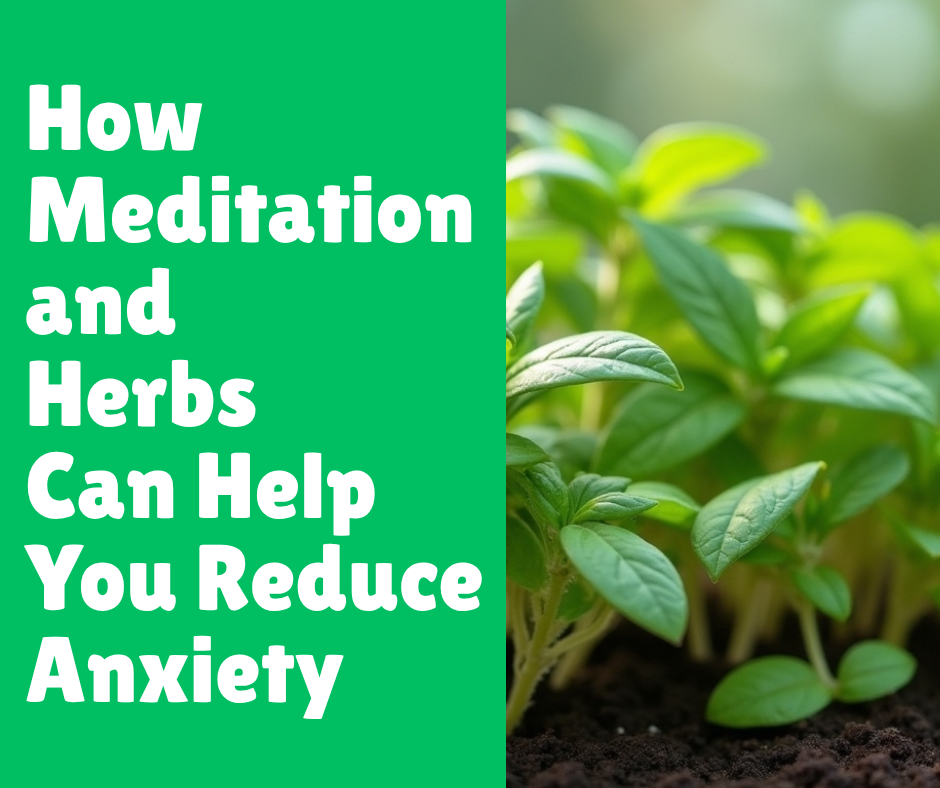
How Meditation and Herbs Can Help You Reduce Anxiety
Post Disclaimer
Content on this site is for educational use only and not a substitute for medical advice. Herbal remedies are based on traditional knowledge and not medical recommendations. Please consult a healthcare professional before trying any herb. We do not assume responsibility for any outcomes or adverse effects resulting from the use of information provided here.
Anxiety is an all-too-common experience that many of us face whether from the pressures of work, relationships, or personal challenges.
For some, traditional methods like medication are necessary, but for others, meditation and natural remedies such as herbs can offer a powerful, holistic solution to calm the mind. These practices help lower stress levels, promote relaxation, and restore a sense of balance in our lives.
In this blog post, I’ll take you through how meditation and herbs can be used to reduce anxiety, exploring each practice’s benefits and how you can combine them for a more effective approach.
With step-by-step guidance, real-life examples, and advice based on research, you’ll learn how to harness these powerful tools for your mental health.
The Power of Meditation in Reducing Anxiety
Meditation is an ancient practice that involves focusing your mind in order to achieve a mentally clear and emotionally calm state. It’s used worldwide to improve well-being, reduce stress, and help with anxiety.
Scientific studies have shown that meditation not only relieves anxiety but can also reduce symptoms of depression and improve overall emotional health.
How Meditation Works for Anxiety
When you meditate, you focus your attention on the present moment, which helps distract from the racing thoughts that can fuel anxiety.
Meditation activates the parasympathetic nervous system, encouraging the body to relax and lowering stress hormones like cortisol. This promotes a sense of calm, reducing the physical and emotional effects of anxiety.
Types of Meditation for Anxiety Relief
- Mindfulness Meditation: This practice involves staying present with whatever is happening in the moment. It can help you become aware of your anxious thoughts and emotions without getting caught up in them.
- Guided Meditation: Perfect for beginners, guided meditation involves following a narrator’s instructions to help you focus on breathing, body relaxation, or visualizing calming imagery.
- Breathing Exercises: Simple breathing techniques like the 4-7-8 method can instantly reduce anxiety by slowing down your breath and calming your nervous system.
- Loving-Kindness Meditation: This type focuses on sending compassion and positive wishes first to yourself and then to others, helping shift the focus from anxious thoughts to peaceful feelings.
The Role of Herbs in Anxiety Relief
In addition to meditation, certain herbs have been shown to reduce anxiety and promote relaxation. These natural remedies have been used for centuries and are a great complement to meditation.
Top Herbs for Anxiety Relief
- Lavender: Known for its soothing aroma, lavender is effective in reducing anxiety. It can be used as an essential oil, in teas, or as a supplement.
- Chamomile: This gentle herb is famous for its calming effects. Drinking chamomile tea can help ease tension and improve sleep quality.
- Ashwagandha: An adaptogen that helps the body cope with stress, ashwagandha is commonly used in Ayurvedic medicine to calm anxiety.
- Passionflower: Passionflower has a sedative effect, making it useful for relieving anxiety and promoting better sleep.
- Lemon Balm: A member of the mint family, lemon balm is effective in reducing nervous tension and anxiety. It’s often consumed as a tea or in supplement form.
How Herbs Complement Meditation
Herbs like lavender, chamomile, and ashwagandha can provide an additional layer of support when used alongside meditation. For instance, drinking chamomile tea before a meditation session can help you feel physically relaxed, making it easier to quiet your mind and focus during meditation.
Combining Meditation and Herbs for Anxiety Relief
To maximize the benefits of both meditation and herbs, it’s important to use them together in a balanced way. Below is a step-by-step guide on how to incorporate herbs into your meditation practice.
Step-by-Step Guide: How to Combine Meditation and Herbs
| Step | Action | Herbal Options |
| 1. Set the Scene | Create a peaceful, quiet space free of distractions. Light candles or diffuse essential oils like lavender. | Lavender essential oil or chamomile tea |
| 2. Choose Your Herb | Decide which herb will best suit your anxiety symptoms. | Chamomile, passionflower, or ashwagandha |
| 3. Prepare Your Herb | Brew your tea or take your herb as a supplement 10–15 minutes before meditation. | Chamomile tea or ashwagandha capsules |
| 4. Begin Meditation | Start your meditation practice (mindfulness, guided, or breathing exercises). Focus on your breath and let go of tension. | No herb required during meditation – just focus on breathing |
| 5. Reflect and Ground | After meditation, reflect on your experience. How do you feel? Drink the rest of your tea slowly or apply essential oils. | Enjoy the calming effects of your herbal tea or oil |
Common Mistakes to Avoid
While meditation and herbs are beneficial tools for anxiety management, there are some common mistakes people make when using them. Let’s take a look at what to avoid:
Mistake 1: Using Herbs Without Research
Not all herbs are suitable for everyone, and some may interact with medications. Always do thorough research and, if possible, consult with a healthcare provider before using new herbs, especially if you are on any medication.
Mistake 2: Being Inconsistent
Both meditation and herbal remedies require regular practice to see lasting benefits. Skipping days or expecting immediate results can lead to frustration. Create a routine and stick to it for best results.
Mistake 3: Overcomplicating the Process
Meditation doesn’t have to be complicated. Keep it simple—just focus on your breath or use a basic guided meditation. Don’t stress about doing it “right.” Similarly, don’t feel the need to try every herb at once. Start with one or two and see how they work for you.
Mistake 4: Relying Only on One Method
Meditation and herbs work best when combined with other anxiety management techniques. Don’t rely solely on these methods; consider also making lifestyle changes like improving sleep, managing your workload, and seeking professional support if needed.
Conclusion
Meditation and herbs are both powerful, natural tools in the fight against anxiety. When used together, they complement each other by calming both the mind and body.
By following the tips and techniques outlined above, you can create a personalized practice that helps you manage anxiety and reclaim your sense of peace.
- Meditation can help reduce anxiety by promoting mindfulness and relaxation.
- Herbs like lavender, chamomile, and ashwagandha can support anxiety relief.
- A consistent practice of both meditation and herb use leads to the best results.
- Always research herbs thoroughly and use them consistently for long-term benefits.
If you’ve tried combining meditation with herbs, or if you plan to, I’d love to hear about your experience! Feel free to leave a comment below or share this post with others who might benefit from these techniques.
FAQs
How soon will I see results from using meditation and herbs for anxiety?
While it varies from person to person, many people start noticing a reduction in anxiety within a few weeks of consistent practice. Patience is key!
Are there any side effects from using these herbs?
Generally, herbs like lavender, chamomile, and ashwagandha are considered safe. However, always be mindful of dosage and consult a healthcare provider if you’re pregnant, nursing, or on medication.
Can meditation be done at any time of day?
Yes! You can meditate at any time that fits your schedule. However, early morning or before bed are ideal for many people as it sets the tone for your day or helps you unwind before sleep.